Commercial Lease End Checklist: Everything Tenants Should Do Before Handing Back a Commercial Property
March 1, 2026
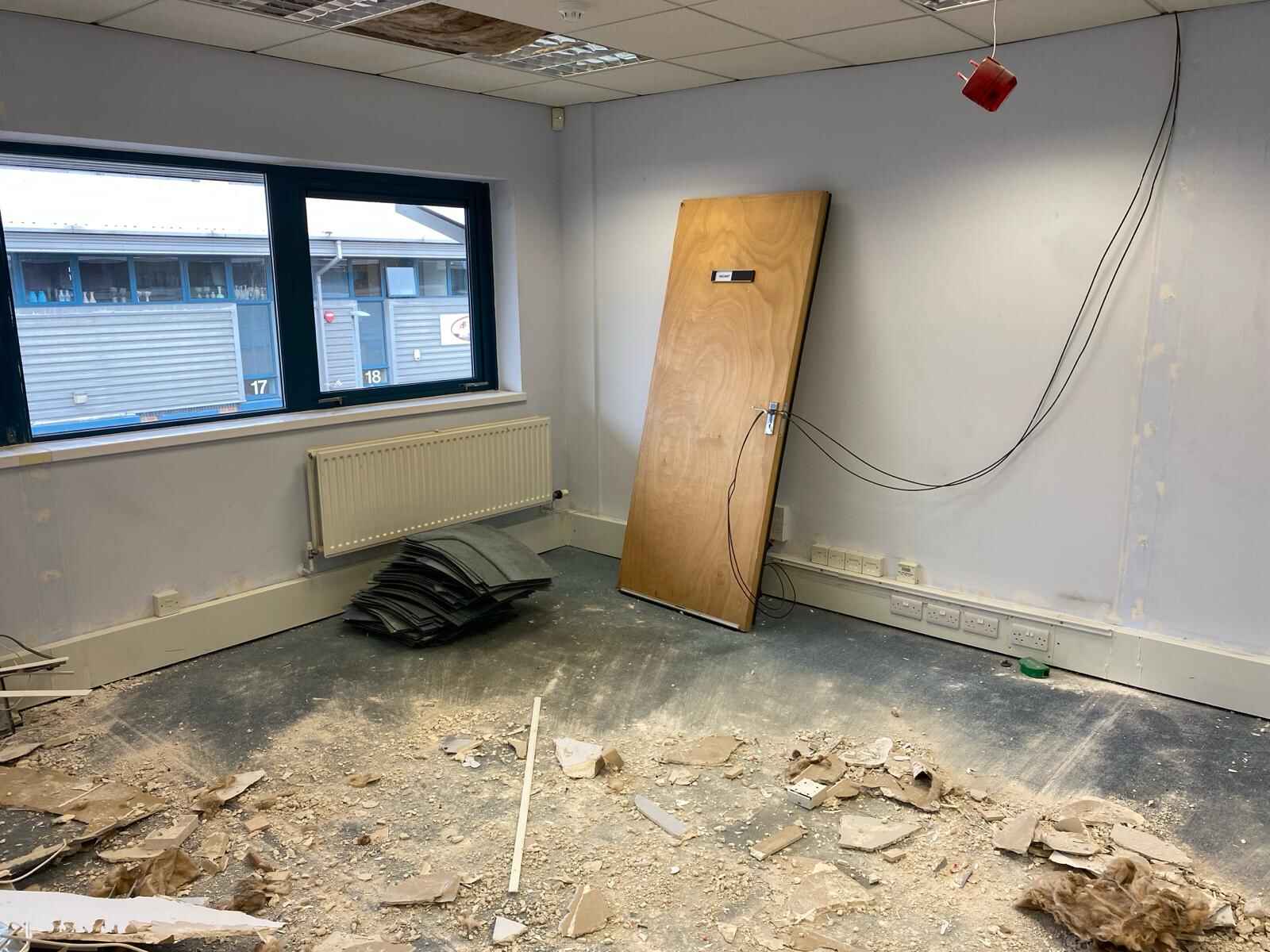
It’s easy to overlook the property itself when you’re busy moving staff and equipment at the end of a lease. But this is when costly mistakes happen, and landlords often make expensive dilapidation claims.
No matter what type of property you’re leaving, planning ahead before you hand back the keys can save you a lot of money. With a clear plan, you can sort out repairs and meet your lease obligations before any problems arise.
This guide walks you through what to do in your last year, what to watch out for, and how a good contractor can make things easier.
Why Planning Early Matters
Many tenants think they can sort everything out just before moving. In fact, most leases need much more notice and planning.
Leaving everything until the last minute can lead to:
- Emergency contractor costs
- Delays returning the property
- Increased dilapidation claims
- Legal disputes
- Business disruption
- Additional rent liabilities if possession is delayed
If you start early, you have time to check your responsibilities, get quotes, plan any work, and negotiate if needed.
12 Months Before Your Lease Ends
This is when you should start planning.
Review Your Lease
Every commercial lease is different.
Check for clauses covering:
- Repair obligations
- Internal decoration
- External decoration
- Reinstatement requirements
- Alterations
- Mechanical and electrical systems
- Floor coverings
- Ceilings
- Partitions
- Service installations
- Licence for alterations
- Yielding-up provisions
Most disputes happen because tenants don’t read the lease closely enough.
Gather All Property Documentation
Collect:
- Original lease
- Licence for Alterations
- Fit-out drawings
- O&M manuals
- Fire certificates
- Electrical certificates
- Previous schedules
- Building manuals
If you have all your documents ready, it’s much easier for surveyors and contractors to see what needs doing.
Arrange an Initial Dilapidation Assessment
A professional inspection can spot problems early, before the landlord sends you a Schedule of Dilapidations.
This gives you time to budget and choose whether to do the work yourself or agree a settlement.
9 Months Before Lease Expiry
At this stage you By now, you should know what needs fixing in the property.dentified include:
- Damaged walls
- Worn flooring
- Ceiling damage
- Broken lighting
- Poor decorations
- Missing ceiling tiles
- Damaged doors
- Altered layouts
- Mechanical defects
The sooner you spot these issues, the better your chances of getting good prices from contractors.
6 Months Before Lease Ends
Now you can start planning the actual work.
Obtain Contractor Quotations
Professional dilapidation contractors can provide quotations covering:
- Internal repairs
- Decorations
- Flooring replacement
- Ceiling repairs
- Partition removal
- Joinery
- Electrical works
- Plumbing
- Fire stopping
- Mechanical services
- Cleaning
- Waste removal
Getting quotes early means you can compare costs and avoid last-minute decisions.
Review Any Alterations
Many commercial properties have been altered during occupation.
Examples include:
- Glass meeting rooms
- Kitchen installations
- Reception counters
- Raised access floors
- Data cabling
- Air conditioning
- Suspended ceilings
- Partition walls
- Feature lighting
- Branding
You might need to remove some alterations completely before you hand the property back.
3 Months Before Lease Ends
This is when work should begin.
Leaving everything until the last week almost never works out.
Professional contractors follow a plan to make sure you hand the property back on time.
Typical works include:
- Decoration
- Making good walls
- Ceiling repairs
- Carpet replacement
- Vinyl flooring
- Joinery repairs
- Door adjustments
- Lighting replacement
- Plumbing repairs
- Air conditioning servicing
- Fire safety works
Final Month
Carry out a final inspection.
Check:
Walls decorated
Floors repaired
Ceilings complete
Lighting operational
Fire systems working
Air conditioning serviced
Doors functioning
Kitchens cleaned
Toilets operational
Waste removed
Keys returned
Common Dilapidation Works
Every property differs, but the majority of commercial dilapidation projects include some combination of the following:
| Work | Typical Requirement |
| Decorations | Full repaint to lease standard |
| Flooring | Replace damaged carpets or vinyl |
| Ceilings | Replace stained or broken tiles |
| Partitions | Remove tenant alterations |
| Joinery | Repair doors, skirting and timber |
| Electrical | Replace damaged fittings and test systems |
| Plumbing | Repair sanitaryware and leaks |
| M&E | Service building systems where required |
| Cleaning | Deep clean throughout |
| Waste Removal | Clear furniture and rubbish |
Mistakes That Cost Tenants Money
Waiting Until the Last Month
This usually results in higher contractor prices and rushed workmanship.
Assuming Fair Wear and Tear Covers Everything
Many tenants get confused about what fair wear and tear really covers.
You’re usually still responsible for damage, changes, and poor maintenance.
Ignoring Alterations
Meeting rooms, kitchens and partition walls often require reinstatement.
Using Multiple Small Contractors
Coordinating decorators, electricians, plumbers and flooring installers separately can delay the programme.
One experienced contractor can usually handle the whole job more smoothly.
Not Taking Professional Advice
Surveyors and specialist contractors often spot ways to save money or push back against unfair claims.
Should You Complete the Works Yourself?
Sometimes, yes.
If your landlord agrees, doing the work before your lease ends is often much cheaper than paying a settlement later.
However, the work must usually meet the required standard and comply with the lease obligations.
What Happens After You Hand the Property Back?
The landlord or their surveyor will probably inspect the property.
If everything is done properly, you can usually hand back the property without any problems.
If not, they might send you a Schedule of Dilapidations listing anything they think you’ve missed. matters often depend on the quality of the reinstatement works and the supporting documentation.
How Professional Dilapidation Contractors Help
Experienced contractors manage the entire reinstatement process, including:
- Site inspections
- Cost planning
- Programme management
- Multi-trade delivery
- Quality control
- Building compliance
- Waste management
- Final handover support
Having one contractor also means less admin for you when you’re already busy moving.
Final Thoughts
The end of a commercial lease shouldn’t be a last-minute scramble. With careful planning, clear understanding of your lease obligations and the right contractor, you can hand back the property in good condition, reduce the likelihood of disputes and keep unnecessary costs under control.
If you start getting ready about 12 months before your lease ends, you’ll have the most options. You’ll have time to check the property, get advice, finish any work, and make sure everything’s ready for inspection.
If your lease is ending soon, Dilapidation Contractors can check your property, tell you what needs doing, and handle the whole reinstatement process for you.