Warehouse and Industrial Reinstatement: What Tenants Need to Know
August 10, 2026
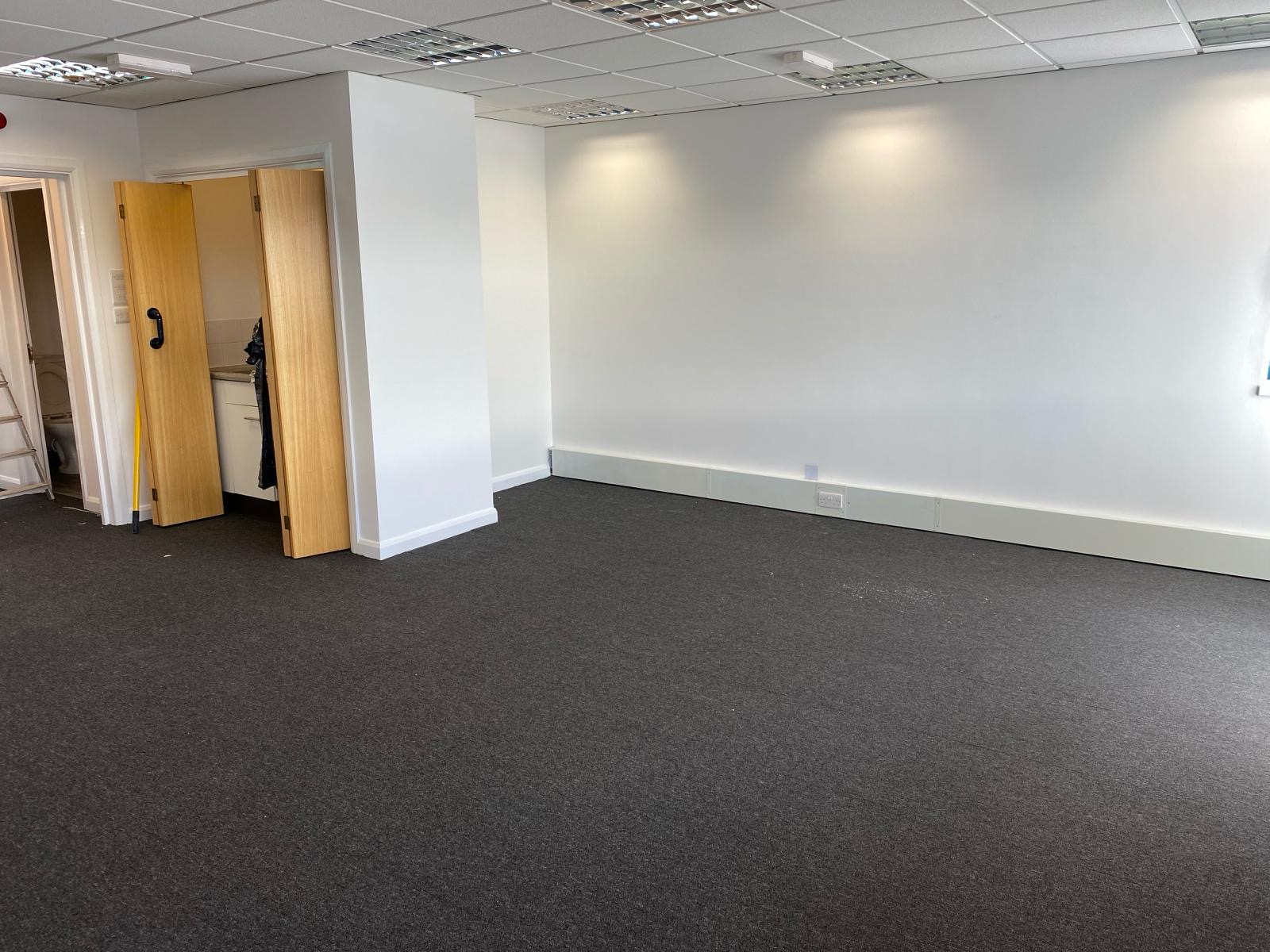
Warehouse and industrial leases carry some of the heaviest reinstatement obligations in commercial property. The spaces are larger, the alterations are often more structural, and the M&E is more complex. Yet tenants frequently underestimate the scope until they're close to lease expiry.
This post covers what industrial reinstatement actually involves, what landlords typically expect, and how to approach it without overspending.
Why Industrial Reinstatement Is Different
Office dilapidations are well understood. Warehouse and industrial reinstatement less so — partly because every unit is different, and partly because tenants often make significant changes during a lease without documenting them properly.
The scale matters too. An office reinstatement on 5,000 sq ft is a contained project. A warehouse reinstatement on 50,000 sq ft — with mezzanine floors, racking bases, drainage modifications, and a bespoke fit-out — is a different proposition entirely.
The other factor is use. Warehouses and industrial units take hard wear. Floors get damaged by forklifts. Loading docks take impact. Roller shutters fail. By the end of a ten-year lease, the schedule of works can be substantial even before you account for tenant alterations.
What Leases Typically Require
Every lease is different, but most warehouse and industrial leases include obligations covering:
Repair and condition
The building must be returned in good repair and condition throughout. That includes the structure, roof, cladding, floors, doors, windows, and all services. Deterioration that goes beyond fair wear and tear is the tenant's liability.
The building must be returned in good repair and condition throughout. That includes the structure, roof, cladding, floors, doors, windows, and all services. Deterioration that goes beyond fair wear and tear is the tenant's liability.
Reinstatement of alterations
Any alterations made during the lease — mezzanine floors, partitioning, additional welfare facilities, racking systems, drainage modifications — typically need to be removed and the building returned to its original configuration, unless the landlord agrees otherwise in writing.
Any alterations made during the lease — mezzanine floors, partitioning, additional welfare facilities, racking systems, drainage modifications — typically need to be removed and the building returned to its original configuration, unless the landlord agrees otherwise in writing.
Decoration
Internal and sometimes external decoration to a standard specified in the lease. Long leases often require full redecoration within the final year.
Internal and sometimes external decoration to a standard specified in the lease. Long leases often require full redecoration within the final year.
Services and M&E
Mechanical and electrical systems must be in working order and, in many cases, serviced and certified. This includes fire alarm systems, sprinklers, heating, ventilation, and any tenant-installed plant.
Mechanical and electrical systems must be in working order and, in many cases, serviced and certified. This includes fire alarm systems, sprinklers, heating, ventilation, and any tenant-installed plant.
Compliance
Any works that affect building regulations, fire safety, or structural integrity need to be signed off. If the tenant carried out alterations without proper consent or certification, that's a liability at handover.
Any works that affect building regulations, fire safety, or structural integrity need to be signed off. If the tenant carried out alterations without proper consent or certification, that's a liability at handover.
The Most Common Reinstatement Items in Warehouses
Mezzanine floors
This is often the largest single item. Mezzanines are expensive to install and expensive to remove. Dismantling a steel mezzanine, removing the structure, making good the floor slab where fixings were, and reinstating the area properly is a significant project.
Some tenants negotiate with incoming tenants or landlords to leave mezzanines in place. That's worth exploring — but it needs to be agreed in writing before handover, not assumed.
Racking bases and floor fixings
Heavy racking leaves anchor fixings embedded in the concrete slab. At handover, those fixings need to come out and the floor made good. On a large warehouse with years of racking changes, the number of redundant fixings can run into the hundreds. Leaving them in is a common oversight and a straightforward item for a landlord surveyor to pick up.
Partitioning and office areas
Most warehouses have a tenant-installed office area — whether that's a simple partitioned section or a two-storey steel-framed office block within the unit. Unless the landlord agrees to take it, it comes out. That means structural removal, making good the floor and roof interface, reinstating cladding if penetrations were made, and returning the area to clear warehouse space.
Loading dock and door alterations
Changes to roller shutter doors, loading dock levellers, or vehicle access points are common. Reinstating these to the original specification — or to a standard the landlord accepts — needs to be planned early. Lead times on industrial doors can be long.
Drainage modifications
Tenants in food production, manufacturing, or chemical storage often modify drainage significantly. Reinstating drainage to the original layout, or demonstrating the current layout is fit for purpose, can be complex and expensive depending on what was done.
Sprinkler systems
If the tenant installed or modified a sprinkler system, the reinstatement position needs to be agreed with the landlord. In many cases the landlord wants the system retained and serviced — in others, they want it removed. Either way, it needs a competent contractor and proper certification.
Floor condition
Warehouse floors take punishment. Forklift damage, surface contamination, cracked or broken sections — these all sit within the tenant's repairing obligation if they occurred during the lease. Floor repairs in a warehouse can range from surface grinding and sealing to full slab repairs in heavily damaged areas.
Roof and cladding penetrations
Tenants who installed extraction, ventilation, or additional services through the roof or cladding need to ensure every penetration is properly reinstated and weathertight. Missed roof penetrations are a common source of post-handover claims.
What a Reinstatement Programme Looks Like
For a mid-size warehouse — say 20,000 to 40,000 sq ft with a mezzanine, partitioned office, and standard fit-out — a reinstatement programme typically runs in this order:
- Strip out of office furniture, racking, and loose equipment
- Mezzanine dismantling and removal
- Office partition removal
- Structural making good — floors, walls, roof and cladding penetrations
- M&E works — removing tenant installations, servicing retained systems, certification
- Floor repairs and treatment
- Door and dock reinstatement
- Decoration
- Deep clean
- Final inspection and handover
The programme length depends heavily on mezzanine size and whether there are any structural or drainage complications. A straightforward unit with a modest fit-out might complete in three to four weeks. A complex unit with a large mezzanine and significant alterations can run to ten or twelve weeks.
Timing: When to Start
This is where most industrial tenants get into difficulty. They leave reinstatement planning too late.
The mistake is treating reinstatement as something that happens after the move. It should run alongside the move — ideally starting six to twelve months before lease expiry.
Here's why timing matters in a warehouse specifically:
- Mezzanine removal needs lead time. Specialist dismantling contractors book up. Steel needs to be taken off site and disposed of or sold for scrap. This isn't a two-week job you can slot in at the end.
- M&E certification takes time to arrange. Sprinkler servicing, fire alarm testing, electrical certification — all of this needs to be booked in advance and documented.
- If the landlord serves a Schedule first, you lose control. Once their surveyor has walked the unit and priced everything, you're responding to their numbers. Getting ahead of the Schedule means you control the scope and the cost.
Negotiating What You Actually Have to Do
Not everything in a Schedule of Dilapidations has to be done. Some items are legitimately disputable.
Schedule of Condition
If you had a Schedule of Condition agreed at the start of the lease, it limits your liability to deterioration beyond the condition recorded at the start. On older industrial units in imperfect condition, this can significantly reduce the scope. Without one, the starting assumption is the building was in perfect condition when you took it.
If you had a Schedule of Condition agreed at the start of the lease, it limits your liability to deterioration beyond the condition recorded at the start. On older industrial units in imperfect condition, this can significantly reduce the scope. Without one, the starting assumption is the building was in perfect condition when you took it.
Landlord's intentions
Under Section 18(1) of the Landlord and Tenant Act 1927, the landlord can't recover more than the actual reduction in property value caused by the disrepair. If the landlord is planning to redevelop the site or carry out their own fit-out for an incoming tenant, the reinstatement cost may exceed the actual diminution — and your liability is capped at the lower figure. This needs a surveyor to argue it properly.
Under Section 18(1) of the Landlord and Tenant Act 1927, the landlord can't recover more than the actual reduction in property value caused by the disrepair. If the landlord is planning to redevelop the site or carry out their own fit-out for an incoming tenant, the reinstatement cost may exceed the actual diminution — and your liability is capped at the lower figure. This needs a surveyor to argue it properly.
Supersession
If the landlord's own works would have destroyed or covered what you were obliged to reinstate, you may not be liable for that element. Again, this needs to be argued with evidence.
If the landlord's own works would have destroyed or covered what you were obliged to reinstate, you may not be liable for that element. Again, this needs to be argued with evidence.
These aren't automatic protections. They require engagement, evidence, and in most cases professional advice. But they can meaningfully reduce a claim on a large industrial unit.
Common Mistakes Industrial Tenants Make
Assuming the landlord won't notice. Landlords of industrial property are commercially experienced. Their surveyors know exactly what to look for and how to price it. Hoping items get missed is not a strategy.
Leaving racking fixings in the floor. It looks minor. It's easy to spot and easy to price. Don't hand back a floor full of redundant anchor bolts.
Not getting Licence for Alterations documentation together. If you had consent for alterations, you need to be able to produce it. If you didn't get consent for something significant, that's a problem to address before handover, not after.
Underestimating mezzanine removal cost. A 5,000 sq ft mezzanine doesn't cost £5,000 to remove. Factor in structural dismantling, crane or MEWP hire, disposal, floor making good, and any reinstatement of the area — the number is higher than most tenants expect.
Leaving it to the last month. Rushed reinstatement means shortcuts, rework, and a landlord who has leverage because you're out of time.
What Good Handover Looks Like
A well-reinstated warehouse hands back:
- Clear of all tenant property, racking, and equipment
- Floors repaired and clean throughout
- All tenant alterations removed unless agreed otherwise in writing
- M&E systems in working order with current service records and certificates
- Roof and cladding weathertight with all penetrations made good
- Doors and dock equipment operational
- Decoration completed to lease standard
- Fire safety systems tested and certified
That's the position from which you negotiate — or ideally, the position from which there's nothing substantive to negotiate about.
Getting the Right Contractor
Industrial reinstatement isn't a job for a general builder. The scope crosses multiple trades — structural, mechanical, electrical, flooring, roofing — and needs to be managed as a single coordinated project.
A specialist dilapidations contractor manages all of that under one contract. One programme, one point of contact, one set of certification at the end. On a large warehouse project, the coordination alone saves significant time and cost compared to managing trades separately.
If you have a lease expiring in the next six to eighteen months and you haven't started planning yet, now is the right time to get a site visit booked and understand what you're actually dealing with.