How Much Do Commercial Dilapidations Cost in 2026?
April 2, 2026
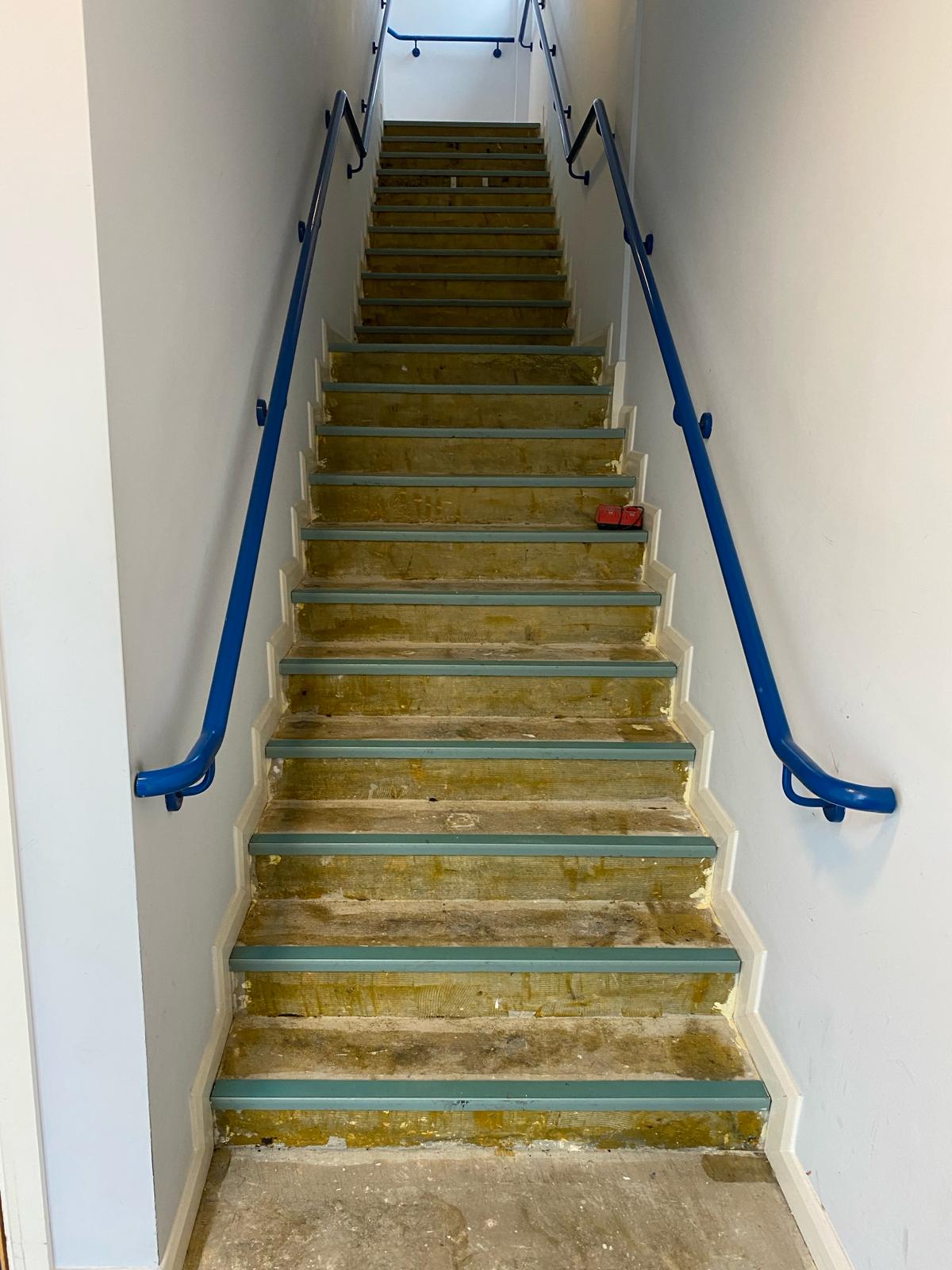
Discover how much commercial dilapidations cost in 2026. Explore office, retail, warehouse and industrial reinstatement costs, factors affecting pricing, and ways to reduce your dilapidation liability.
One of the first questions commercial tenants ask when approaching the end of a lease is:
“How much are our dilapidation works likely to cost?”
There is no single answer. A small office needing only decoration and carpet replacement may cost a few thousand pounds, while a large warehouse or retail unit with extensive reinstatement can reach six figures.
Final costs depend on factors such as property size, lease terms, building condition, and whether tenant alterations must be removed.
This guide outlines typical UK commercial dilapidation costs, key pricing factors, and how tenants can plan to avoid unnecessary expenses.
What Are Commercial Dilapidation Costs?
Dilapidation costs are expenses for restoring a commercial property to the condition required by the lease at the end of the tenancy.
These costs may include:
- Internal and external repairs
- Reinstatement of tenant alterations
- Redecoration
- Flooring replacement
- Mechanical and electrical works
- Fire stopping
- Ceiling repairs
- Plumbing
- Joinery
- Waste removal
- Professional cleaning
Depending on the lease, tenants may also be responsible for testing building services, servicing air conditioning systems, or reinstating specialist installations.
Typical Commercial Dilapidation Costs in the UK (2026)
The table below shows estimated costs for common property types, based on standard lease obligations. Actual costs will vary by building, location, and scope of work.
| Property Type | Typical Dilapidation Cost |
| Small Office (1,000–2,000 sq ft) | £5,000–£15,000 |
| Medium Office (2,000–5,000 sq ft) | £15,000–£40,000 |
| Large Office (5,000–10,000 sq ft) | £40,000–£100,000+ |
| Retail Shop | £8,000–£35,000 |
| Restaurant | £15,000–£60,000 |
| Warehouse | £10,000–£70,000 |
| Industrial Unit | £15,000–£90,000+ |
| Multi-floor Office | £75,000–£250,000+ |
These figures are for budgeting purposes only and are not formal quotations.
Dilapidation Costs by Type of Work
Identifying cost areas helps tenants budget more effectively.
Internal Redecoration
Repainting walls, ceilings, doors, and timberwork is a common lease obligation.
Typical cost:
£8–£18 per m²
Costs depend on:
- Number of coats required
- Surface preparation
- Building height
- Access equipment
- Occupancy
- Decorative specification
Flooring Replacement
Many leases require carpets or vinyl flooring to be returned in good condition or replaced if necessary.
Typical costs:
| Flooring Type | Typical Supply & Install Cost |
| Carpet Tiles | £25–£45 per m² |
| Commercial Carpet | £35–£70 per m² |
| Vinyl Flooring | £30–£60 per m² |
| Safety Flooring | £45–£90 per m² |
| Raised Floor Tile Replacement | Varies by system |
If existing flooring contains asbestos, additional surveys and licensed removal may be required before replacement.
Suspended Ceiling Repairs
Ceilings are frequently damaged during office fit-outs or by the removal of lighting, partitions or services.
Typical costs include:
- Ceiling tile replacement
- Grid repairs
- Lighting integration
- Making good around service penetrations
Typical allowance:
£15–£60 per m², depending on the extent of repairs.
Partition Removal
Many tenants install meeting rooms or create additional office space during their lease.
Removing these alterations often involves:
- Demolition
- Making good floors
- Ceiling repairs
- Electrical disconnections
- Decoration
Typical costs:
£500–£3,000+ per partition, depending on size and specification.
Electrical Works
Common electrical reinstatement works include:
- Removing tenant-installed lighting
- Replacing original fittings
- Socket alterations
- Distribution board modifications
- Emergency lighting tests
- Electrical Installation Condition Reports (EICRs)
Typical project costs:
£1,000–£15,000+
Mechanical Services
Mechanical works may include:
- Air conditioning servicing
- Extract ventilation
- Heating systems
- Fan coil units
- Building Management Systems
- Pipework alterations
Typical costs:
£2,000–£25,000+
Large office buildings with complex HVAC systems may significantly exceed these costs.
Joinery Repairs
Typical works include:
- Door repairs
- Frame adjustments
- Skirting replacement
- Kitchen removal
- Reception desk removal
- Timber making good
Typical costs:
£500–£10,000+
Deep Cleaning
Professional cleaning is typically required before handover.
Typical services include:
- Carpet cleaning
- Window cleaning
- Kitchen cleaning
- Washroom sanitisation
- High-level dust removal
Typical cost:
£500–£5,000
Waste Removal
Strip-out projects often generate significant waste.
Typical costs depend on:
- Volume
- Waste type
- Recycling
- Skip permits
- Access
Typical allowance:
£400–£6,000+
What Affects Commercial Dilapidation Costs?
Each project is unique, and several factors influence the final cost.
1. Property Size
Larger buildings naturally require more labour, materials and time.
A 10,000 sq ft office will cost considerably more to reinstate than a 1,500 sq ft office, even if the work specification is similar.
2. Property Condition
Well-maintained premises generally require less remedial work.
Buildings with extensive damage, poor maintenance, or aging finishes often incur higher costs.
3. Lease Obligations
Some leases require only basic repairs, while others include extensive reinstatement obligations.
For example, a tenant may need to:
- Remove all alterations
- Reinstate original layouts
- Redecorate throughout
- Replace floor coverings
- Test building services
- Repair external elements
Lease wording significantly impacts cost.
4. Tenant Alterations
The more changes made during occupation, the more extensive the reinstatement required.
Examples include:
- Glass meeting rooms
- Feature lighting
- Kitchen installations
- Raised floors
- Reception counters
- Branding
- Bespoke joinery
- Data cabling
5. Building Access
Access restrictions can increase labour costs.
Challenges include:
- City centre locations
- Limited loading bays
- Out-of-hours working
- Security requirements
- Lift access
- Occupied buildings
6. Location
Projects in Central London typically have higher labour and logistics costs than regional locations due to higher wages, parking restrictions, and congestion.
How to Reduce Dilapidation Costs
While some obligations are unavoidable, practical steps can help control costs.
Start Planning Early
Delaying works until the final weeks of a lease often results in higher contractor rates and rushed schedules.
Understand Your Lease
Understanding your exact obligations helps avoid unnecessary work.
Obtain a Professional Assessment
A specialist contractor or surveyor can determine the true scope of work before the landlord issues a Schedule of Dilapidations.
Use One Principal Contractor
Appointing a contractor to manage all works under one programme is often more efficient than coordinating multiple trades.
Keep Maintenance Up to Date
Routine maintenance during the lease can prevent larger repair costs at expiry.
Is It Cheaper to Carry Out the Works Yourself?
In many cases, yes.
Completing reinstatement works before returning the property may reduce the risk of a larger financial settlement.
However, all works must meet required standards and comply with lease obligations.
Budgeting for Dilapidations
Begin budgeting 12 to 18 months before lease expiry.
This allows time to:
- Review lease obligations
- Arrange inspections
- Obtain quotations
- Programme the works
- Avoid unnecessary delays
Early planning gives tenants more flexibility to negotiate and manage costs.
Frequently Asked Questions
Can dilapidation costs be negotiated?
Yes. Many claims are negotiated between landlords, tenants, and their professional advisers.
Are dilapidation costs tax deductible?
This depends on your circumstances. Always seek advice from a qualified accountant or tax adviser.
What is the biggest cost in most dilapidation projects?
For offices, internal reinstatement, mechanical and electrical works, decorations, and flooring are often the largest cost items.
Do all commercial tenants receive a Schedule of Dilapidations?
Not necessarily. Whether a schedule is served depends on the landlord’s approach, lease terms, and property condition.
How long do dilapidation works take?
Smaller projects may take one to two weeks, while larger multi-floor reinstatements can take several months.
Final Thoughts
Commercial dilapidation costs vary widely, but early preparation almost always saves money. Understanding your lease, assessing the property before expiry, and appointing an experienced contractor can help you avoid unnecessary costs and reduce the risk of disputes.
Every commercial property is different. An office needing minor cosmetic repairs will have a very different scope of work than a retail unit with extensive alterations or a warehouse requiring mechanical and electrical reinstatement. Obtaining professional advice early allows you to budget accurately, schedule works efficiently, and return the property in line with your lease obligations.
If you are nearing the end of a commercial lease, Dilapidation Contractors can conduct a detailed inspection, advise on the likely scope of works, and provide a transparent quotation tailored to your property and lease requirements.