Retail Dilapidations: What Shop Tenants Need to Know Before Their Lease Ends.
November 23, 2026
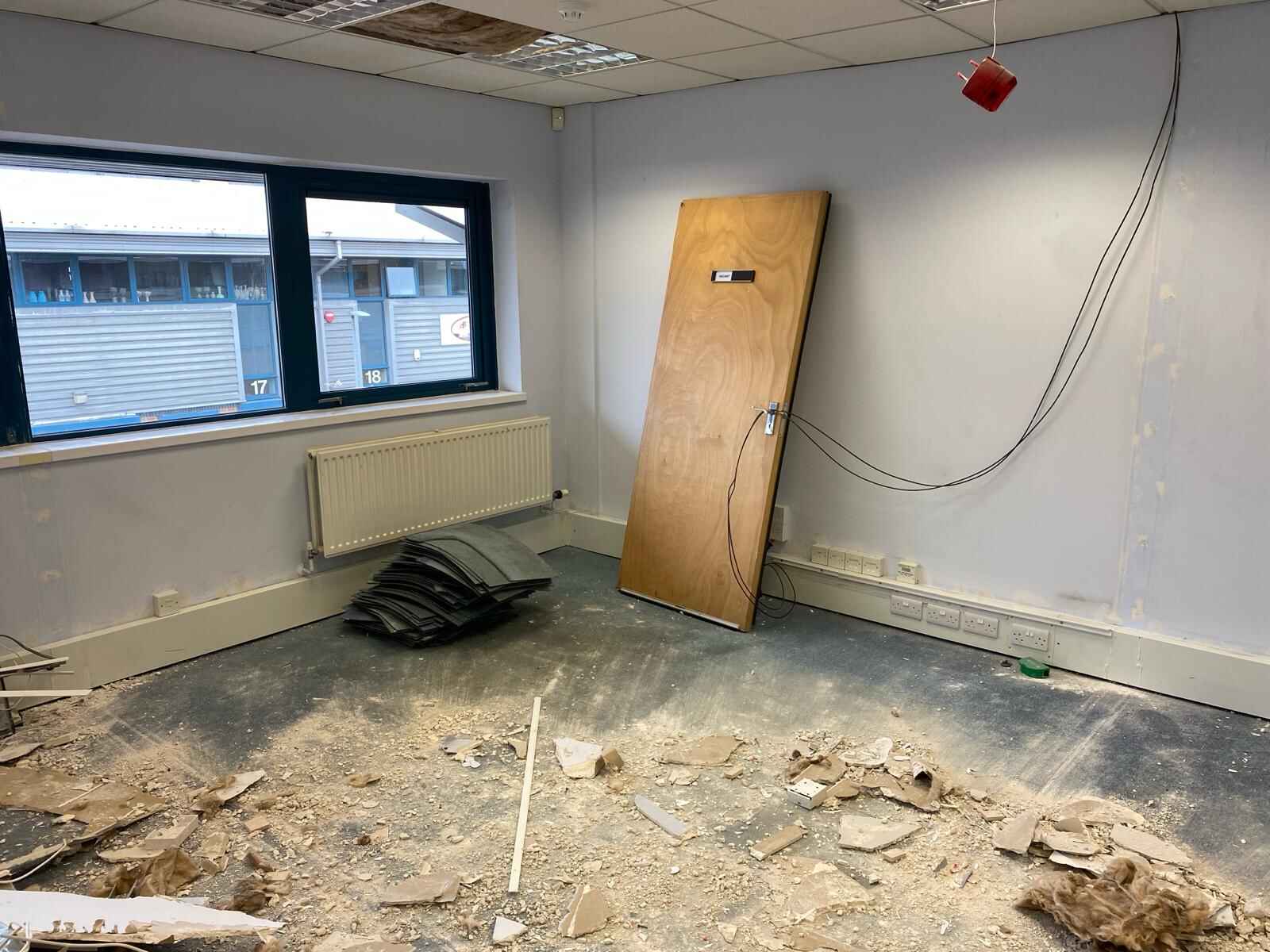
Closing a shop, relocating to another premises or restructuring a retail portfolio involves considerably more than removing stock and handing back the keys. Retail tenants must also consider the condition in which they are contractually required to return their premises to the landlord.
Over the course of a commercial lease, retailers invest heavily in transforming empty units into branded, customer-facing environments. Shopfronts are altered, display systems are installed, lighting is upgraded, flooring is replaced, and mechanical and electrical services are adapted to meet operational requirements.
When the lease ends, some or all of these alterations may need to be removed.
Without proper preparation, retail dilapidations can become a significant and unexpected financial liability. For retailers operating multiple stores, these costs can have a substantial impact on the overall cost of closing or relocating their branches.
At Dilapidation Contractors, we understand the practical challenges involved in returning retail premises to landlords. This guide explains retail dilapidation obligations, the construction works typically involved, indicative costs and how retailers can manage their lease exit more efficiently.
What Are Retail Dilapidations?
Retail dilapidations refer to breaches of a commercial lease relating to the condition, repair, decoration or reinstatement of retail premises.
When a retailer vacates a property, the landlord may require the tenant to remedy these breaches or seek compensation for the resulting loss.
Depending on the lease, the required works may include:
-
Removing branded shop fittings and displays.
-
Reinstating the original shopfront.
-
Removing internal partitions and changing rooms.
-
Repairing damaged walls, ceilings and floors.
-
Removing signage and external branding.
-
Reinstating mechanical and electrical installations.
-
Repairing doors, glazing and security shutters.
-
Redecorating internal and external areas.
-
Removing redundant equipment and waste.
-
Servicing and testing retained building systems.
The objective is not necessarily to return the shop to a brand-new condition. It is to satisfy the obligations contained within the lease, licences for alterations and other relevant agreements.
This distinction is important because tenants can otherwise spend money on improvements they are not contractually required to undertake.
Why Retail Dilapidations Are Different from Office Dilapidations
Retail properties are often more heavily customised than conventional commercial offices.
A fashion retailer, for example, may install bespoke display walls, changing rooms, feature lighting and illuminated signage. A supermarket may introduce refrigeration systems, extensive electrical infrastructure and specialist flooring. A beauty retailer may install treatment rooms, additional plumbing and ventilation systems.
These installations can create significant reinstatement requirements.
| Consideration | Office premises | Retail premises |
|---|---|---|
| Internal alterations | Meeting rooms and partitions | Displays, changing rooms and bespoke layouts |
| External alterations | Generally limited | Shopfronts, signage and branding |
| Flooring | Carpet tiles and raised floors | Tiles, vinyl, timber and specialist finishes |
| Electrical installations | Standard office power and lighting | Display lighting, signage and specialist equipment |
| Mechanical systems | Office HVAC | Refrigeration, extraction and specialist ventilation |
| Access | Office building restrictions | Shopping centre and high street restrictions |
| Reinstatement | Open-plan or agreed Cat A condition | Agreed landlord specification or shell condition |
Retail reinstatement therefore requires a coordinated approach involving multiple construction trades, specialist engineers and careful programme management.
Understanding Your Retail Lease Obligations
Before appointing a contractor or commencing any works, retailers should establish precisely what their lease requires.
Several provisions are particularly important.
Repairing obligations
Commercial leases frequently require tenants to keep premises in repair.
Under certain repairing covenants, a tenant may be responsible for putting premises into repair even if defects existed when the lease commenced. A properly incorporated Schedule of Condition may limit these obligations, depending on the wording of the lease.
Retailers should not automatically assume that pre-existing defects or general wear and tear are excluded from their responsibilities.
Reinstatement obligations
Retailers frequently obtain permission from landlords to alter their premises during occupation.
These alterations may be governed by a Licence for Alterations, which can contain specific requirements to remove installations and reinstate the original layout when the lease ends.
In some cases, the landlord must serve notice requiring reinstatement. In others, the obligation may apply automatically.
Understanding these provisions early can prevent unnecessary demolition and reinstatement expenditure.
Decoration obligations
Many retail leases require internal or external decoration during specified periods or towards the end of the tenancy.
The required standard, materials and colours may also be specified.
Yielding-up obligations
Yielding-up clauses establish how the premises must be returned at the end of the lease.
They may require the removal of tenant possessions, fixtures, signage and equipment, alongside compliance with repair and reinstatement obligations.
Retailers exercising a break clause should obtain legal advice about any conditions attached to the break. Failure to comply with a relevant condition could have serious financial consequences.
What Works Are Included in Retail Dilapidation Projects?
The scope of retail dilapidation works varies considerably between properties. However, the following construction activities are frequently required.
1. Retail Soft Strip-Out Works
Soft strip demolition is often the first major stage of a retail reinstatement project.
Typical works include removing:
-
Display shelving and merchandise units.
-
Sales counters and checkout desks.
-
Changing rooms.
-
Non-structural partitions.
-
Decorative wall panels.
-
Suspended ceilings where required.
-
Bespoke joinery.
-
Tenant-installed flooring.
-
Redundant lighting and cabling.
-
Staff kitchen installations.
A carefully managed strip-out protects the building fabric and retained landlord installations.
Uncontrolled demolition can damage electrical systems, fire compartmentation, flooring substrates and mechanical services, creating additional costs that could have been avoided.
Before intrusive works begin, appropriate asbestos information and surveys should be obtained where required.
2. Shopfront Reinstatement
Shopfronts are one of the most distinctive elements of retail premises.
Retailers frequently modify shopfronts to reflect their brand identity, improve visibility or change customer access arrangements.
At lease expiry, reinstatement works may involve:
-
Removing branded fascia panels.
-
Repairing aluminium framing.
-
Replacing damaged glazing.
-
Removing illuminated signage.
-
Repairing entrance doors.
-
Reinstating original finishes.
-
Repairing security shutters.
-
Making good external fixings and penetrations.
In conservation areas, listed buildings and prominent high street locations, shopfront alterations may also require planning or listed building consent.
The original shopfront specification should be reviewed before ordering replacement materials.
3. Removal of Signage and Branding
Retail signage often extends beyond the main shopfront.
Businesses may have installed projecting signs, illuminated logos, window graphics, digital displays and external advertising systems.
Removing these installations may require electrical isolation, specialist access equipment and repairs to the underlying building fabric.
Simply removing a sign is rarely sufficient if fixings, holes, exposed wiring or damaged cladding remain.
A professional reinstatement programme should include making good all affected surfaces.
4. Commercial Flooring Repairs and Replacement
Retail flooring experiences significant footfall, particularly in supermarkets, shopping centres and busy high street stores.
Common defects include cracked tiles, damaged vinyl, worn entrance matting, adhesive residue and damage caused by fixed display equipment.
Depending on the lease requirements, flooring works may include:
-
Removing tenant-installed floor coverings.
-
Repairing damaged screeds.
-
Applying floor levelling compounds.
-
Replacing damaged tiles.
-
Installing commercial vinyl.
-
Repairing timber flooring.
-
Reinstating entrance matting.
-
Repairing exposed concrete floors.
Where retail premises are being returned to a shell condition, the requirement may be to remove finishes and leave a sound substrate rather than install new decorative flooring.
Confirming the required handover specification can therefore significantly reduce costs.
5. Ceiling Reinstatement
Retail ceilings frequently contain lighting tracks, speakers, CCTV cameras, air conditioning units, sprinkler heads and decorative features.
Removing tenant installations can leave damaged ceiling tiles, exposed services and redundant openings.
Typical ceiling reinstatement works include replacing damaged tiles, repairing suspended ceiling grids, removing decorative bulkheads, making good plasterboard ceilings and restoring retained lighting arrangements.
Where ceilings form part of a fire-resisting construction, repairs must maintain the required fire performance.
6. Mechanical and Electrical Reinstatement
Mechanical and electrical works can represent one of the largest costs in a retail dilapidation project.
Retailers often adapt building services to suit their trading requirements.
Common electrical reinstatement works include:
-
Removing display lighting and lighting tracks.
-
Disconnecting illuminated signage.
-
Removing redundant data cabling.
-
Removing additional socket outlets.
-
Repairing electrical distribution systems.
-
Testing retained electrical installations.
-
Reinstating emergency lighting.
Mechanical reinstatement may involve air conditioning systems, ventilation equipment, plumbing, refrigeration and specialist extraction installations.
Care must be taken to distinguish between landlord-owned equipment and tenant-installed systems.
Removing the wrong equipment could create additional reinstatement liabilities and delay the property handover.
7. Fire Safety and Compartmentation Repairs
Retail fit-outs can affect existing fire safety systems and fire-resisting building elements.
During reinstatement, particular attention should be paid to:
-
Fire doors.
-
Fire stopping around service penetrations.
-
Fire alarm systems.
-
Emergency lighting.
-
Sprinkler installations.
-
Fire-rated partitions.
-
Protected escape routes.
Removing partitions, cables or mechanical services may expose openings that require appropriate fire stopping.
Any alterations to retained fire safety systems should be undertaken by competent specialists, with suitable testing and documentation provided at completion.
8. Internal and External Redecoration
Redecoration is frequently required at the end of a retail lease.
Retail premises often feature strong brand colours, decorative finishes and specialist wall treatments that may not suit future occupiers.
Works can include removing wallpaper, preparing damaged surfaces, repainting walls and ceilings, decorating doors and frames, and restoring external finishes where required.
The specification should be based on the lease and agreed handover requirements rather than assumptions about what a future tenant might prefer.
Retail Dilapidations by Property Type
Different retail businesses create different reinstatement challenges.
High Street Shops
High street retail premises often require shopfront repairs, signage removal, internal strip-out and redecoration.
Older buildings may introduce additional challenges, including asbestos-containing materials, ageing electrical installations, uneven floors and restricted access.
Delivery arrangements, parking restrictions and pedestrian safety can also influence construction costs.
Shopping Centre Retail Units
Shopping centre reinstatement projects require close coordination with centre management.
Contractors may need to comply with specific requirements relating to:
-
Approved working hours.
-
Loading bay bookings.
-
Contractor inductions.
-
Security access.
-
Hot works permits.
-
Dust and noise control.
-
Waste transportation.
-
Fire alarm and sprinkler isolations.
These restrictions can affect both the cost and duration of the project.
Retailers should obtain the centre's contractor handbook and handover requirements before tendering the works.
Supermarkets and Convenience Stores
Food retail premises can involve extensive specialist installations.
Reinstatement may include removing refrigeration equipment, cold rooms, checkout systems, commercial shelving, drainage installations and additional electrical infrastructure.
Refrigerants must be recovered and handled appropriately by competent personnel.
Larger supermarkets may also require repairs to loading areas, warehouse spaces, staff facilities and external service yards.
Fashion and Clothing Stores
Fashion retailers frequently invest in bespoke interiors, decorative lighting, fitting rooms and display systems.
Removing these installations can expose damaged flooring, ceiling penetrations and wall fixings.
The reinstatement programme should allow sufficient time for making good after the initial strip-out.
Restaurants, Cafés and Food Retail Units
Food and beverage premises can be particularly complex to reinstate.
Typical requirements include removing commercial kitchens, extraction systems, grease traps, gas installations, specialist drainage and additional ventilation equipment.
External ductwork and roof penetrations may also require attention.
These projects often involve more specialist trades than conventional retail reinstatement.
Retail Parks and Large Format Stores
Retail warehouse units may contain mezzanine floors, extensive display installations, loading facilities and large mechanical and electrical systems.
Reinstatement may extend beyond the sales floor to external cladding, roofs, service yards and loading doors, depending on the extent of the tenant's repairing obligations.
Early inspections are particularly valuable because high-level access and specialist materials can significantly affect the programme.
How Much Do Retail Dilapidations Cost in the UK?
Retail dilapidation costs depend on the size of the premises, the extent of alterations, the condition of the building and the landlord's handover requirements.
A small shop requiring minor repairs and redecoration will have a considerably lower cost than a fully fitted supermarket or restaurant requiring extensive mechanical and electrical reinstatement.
The following figures are illustrative contractor budgeting allowances for 2026, rather than surveyed market averages or fixed quotations.
| Retail property type | Indicative construction budget |
|---|---|
| Small high street shop | £5,000–£15,000 |
| Medium-sized retail unit | £15,000–£40,000 |
| Shopping centre retail unit | £20,000–£60,000 |
| Large fashion store | £30,000–£100,000+ |
| Convenience store | £20,000–£75,000 |
| Restaurant or café | £20,000–£100,000+ |
| Large supermarket | £75,000–£300,000+ |
| Large retail warehouse | £50,000–£250,000+ |
These budgets exclude VAT, professional fees, significant structural repairs, major asbestos remediation and any separate financial settlement with the landlord.
Complex projects may exceed these allowances substantially.
Retail Reinstatement Costs per Square Foot
For early-stage budgeting, retailers can also consider broad cost allowances based on floor area.
| Level of reinstatement | Indicative cost per sq ft |
|---|---|
| Minor repairs and decoration | £3–£8 |
| Light strip-out and making good | £8–£15 |
| Standard retail reinstatement | £15–£30 |
| Extensive reinstatement | £30–£50 |
| Complex specialist reinstatement | £50–£80+ |
Floor-area rates are most useful during initial feasibility. They should not replace a measured schedule of works, particularly where expensive shopfront, roof or mechanical installations are involved.
For further guidance, read our article on How Much Do Commercial Dilapidations Cost in the UK?
Example: Reinstating a 2,000 Sq Ft Retail Unit
Consider a fashion retailer approaching the end of a ten-year commercial lease.
The premises contain bespoke display units, changing rooms, branded signage, decorative lighting and tenant-installed flooring.
Following a review of the lease and an inspection, the following illustrative budget could be prepared.
| Description of works | Estimated cost |
|---|---|
| Site establishment and protection | £2,500 |
| Retail soft strip-out | £5,500 |
| Waste removal and disposal | £2,000 |
| Shopfront and signage reinstatement | £3,500 |
| Electrical reinstatement and testing | £4,500 |
| Mechanical services and servicing | £3,000 |
| Ceiling repairs | £2,500 |
| Flooring repairs and reinstatement | £5,000 |
| Wall repairs and redecoration | £4,000 |
| Fire stopping and minor remedial works | £1,500 |
| Final cleaning and handover | £1,000 |
| Construction subtotal | £35,000 |
| Contingency allowance (10%) | £3,500 |
| Total indicative budget excluding VAT | £38,500 |
This equates to approximately £19.25 per sq ft.
The example demonstrates why retailers should assess the full reinstatement scope rather than budgeting solely for strip-out and decoration.
The removal of a relatively straightforward shop fit-out can generate additional electrical, flooring, ceiling and building fabric repairs.
What Factors Increase Retail Dilapidation Costs?
Several factors can significantly influence the final construction budget.
Restricted working hours: Shopping centres and busy retail destinations may require night-time or weekend working, increasing labour and supervision costs.
Limited access: Properties without dedicated loading facilities can be more expensive to strip out and clear.
Specialist installations: Refrigeration, extraction systems, commercial kitchens and bespoke lighting can require specialist engineers.
Unknown building condition: Defects concealed behind displays, ceilings and floor finishes may only become apparent during strip-out.
Asbestos-containing materials: Older retail buildings may require specialist surveys, management or removal before construction works can proceed.
Short lease exit programmes: Urgent projects may require additional labour, expedited material deliveries and extended working hours.
External repairing obligations: Responsibility for roofs, cladding, drainage, service yards and shopfronts can considerably increase the overall liability.
Should Retailers Complete Dilapidation Works or Negotiate a Settlement?
Retail tenants generally have two main approaches to managing dilapidation liabilities.
They can undertake the required works before lease expiry or negotiate a financial settlement with the landlord.
Neither approach is automatically cheaper.
Completing the Works Before Lease Expiry
Undertaking reinstatement works can give retailers greater control over construction costs and the quality of the finished premises.
It can also allow tenants to obtain competitive contractor quotations rather than relying solely on the landlord's assessment.
However, the retailer must have sufficient time, access and clarity regarding the required specification.
Negotiating a Financial Settlement
A financial settlement may be more appropriate where the landlord intends to redevelop the property, undertake extensive refurbishment or retain certain tenant installations for a future occupier.
In England and Wales, Section 18(1) of the Landlord and Tenant Act 1927 can limit damages for breaches of repairing covenants, including by reference to the reduction in the value of the landlord's interest caused by the breach.
This statutory limitation does not automatically apply in the same way to every reinstatement or decoration obligation.
A commercial building surveyor and property solicitor can advise on the potential liability and whether the landlord's future intentions affect the claim.
Obtaining an independent contractor quotation can also provide useful evidence of the reasonable cost of the proposed works.
How Long Do Retail Dilapidation Works Take?
Retailers should programme reinstatement works around their final trading date, stock removal and contractual lease expiry.
Indicative on-site construction periods are:
| Property type | Typical programme allowance |
|---|---|
| Small shop | 1–2 weeks |
| Medium retail unit | 2–4 weeks |
| Shopping centre store | 3–6 weeks |
| Large fashion store | 4–8 weeks |
| Restaurant or food retail unit | 4–10 weeks |
| Large supermarket | 8–16+ weeks |
| Retail warehouse | 4–12+ weeks |
These periods exclude advance surveys, lease negotiations, design development, statutory approvals and procurement of long-lead materials.
Where possible, retailers should arrange inspections and prepare the construction scope while the store is still trading.
This allows works to commence promptly once the premises become vacant.
Retail Lease Exit Checklist
12 Months Before Lease Expiry
-
Review the lease and any Licences for Alterations.
-
Locate the original handover specification and Schedule of Condition.
-
Appoint a commercial building surveyor where appropriate.
-
Establish an initial dilapidation budget.
-
Consider the landlord's intentions for the property.
Six Months Before Lease Expiry
-
Arrange a detailed contractor inspection.
-
Identify installations requiring removal.
-
Obtain quotations for reinstatement works.
-
Review shopping centre or estate management requirements.
-
Arrange necessary surveys and specialist assessments.
-
Establish a provisional construction programme.
Three Months Before Lease Expiry
-
Confirm the final trading date.
-
Agree the scope of reinstatement where possible.
-
Appoint the contractor.
-
Order specialist materials.
-
Coordinate stock clearance and equipment removal.
-
Arrange permits and service isolations.
Final Weeks Before Lease Expiry
-
Complete strip-out and reinstatement works.
-
Undertake final testing and inspections.
-
Resolve outstanding defects.
-
Complete professional cleaning.
-
Provide relevant certificates and handover documentation.
-
Arrange the return of keys and access credentials.
For a more detailed timeline, read our Commercial Lease End Checklist.
Managing Dilapidations Across Multiple Retail Stores
For national retailers, franchise operators and businesses restructuring their property portfolios, dilapidations should be treated as a coordinated programme rather than a series of unrelated construction projects.
Managing multiple store closures through a consistent contractor framework can provide several advantages.
These include standardised pricing, consistent workmanship, coordinated procurement, centralised reporting and improved visibility of overall lease exit costs.
A portfolio-level approach can also help identify recurring reinstatement requirements across stores with similar fit-out specifications.
For example, a fashion retailer closing ten branches may require similar signage removal, electrical disconnections, flooring repairs and decoration across several locations.
Standardising these activities can reduce duplicated procurement effort while allowing each property's individual lease requirements to be addressed.
However, retailers should avoid applying an identical reinstatement specification to every store without reviewing the individual leases.
Common Retail Dilapidation Mistakes to Avoid
Removing Everything Without Checking the Lease
Not every tenant alteration necessarily needs to be removed.
Some landlords may prefer to retain useful installations for future tenants. Obtaining written agreement can prevent unnecessary expenditure.
Leaving Insufficient Time After the Final Trading Day
Retailers often underestimate how long reinstatement takes after stock and equipment have been removed.
A short gap between store closure and lease expiry can create significant programme pressure.
Ignoring the Shopfront
Internal works may be completed successfully while external signage, glazing damage and fascia repairs remain outstanding.
The shopfront should form part of the initial inspection.
Failing to Account for Making Good
Removing a display unit is relatively straightforward. Repairing the flooring, walls, electrical connections and ceilings affected by its removal can be more expensive.
Quotations should include the associated making-good works.
Appointing Separate Contractors Without Coordination
Using independent strip-out contractors, electricians, decorators and flooring installers without a coordinated programme can create delays and disputes over responsibilities.
A principal contractor can manage these interfaces under a single construction programme.
Confusing Reinstatement with Refurbishment
Tenants should not automatically fund improvements that exceed their contractual obligations.
The objective is to meet the required lease handover standard, not necessarily to modernise the premises for the landlord.
How Commercial Landlords Benefit from Professional Retail Reinstatement
Retail dilapidations are equally important for commercial landlords.
Vacant retail units generate no rental income while potentially creating ongoing security, maintenance and holding costs.
A well-managed reinstatement project can help landlords prepare premises for marketing, refurbishment or occupation by a new tenant.
Where a landlord has recovered a financial settlement, appointing a specialist contractor can help establish a practical scope of works aligned with the property's future use.
This may involve retaining valuable installations, undertaking targeted repairs or combining dilapidation works with a wider refurbishment programme.
The most appropriate approach depends on the landlord's leasing strategy and the condition of the property.
Why Appoint a Specialist Retail Dilapidation Contractor?
Retail reinstatement is rarely a single-trade construction project.
It requires coordination between demolition teams, electricians, mechanical engineers, flooring installers, decorators, joiners, glazing specialists and fire safety contractors.
At Dilapidation Contractors, our approach brings these activities together under a coordinated construction programme.
Our retail dilapidation and reinstatement services include:
-
Initial property inspections and construction cost assessments.
-
Retail soft strip demolition.
-
Shopfront and signage reinstatement.
-
Internal alterations and making good.
-
Mechanical and electrical reinstatement.
-
Commercial flooring repairs and replacement.
-
Ceiling repairs and reinstatement.
-
Fire stopping and associated remedial works.
-
Internal and external decoration.
-
Waste management and final cleaning.
-
Construction programme management and handover support.
We can work alongside commercial building surveyors, landlords, managing agents and retail property teams to deliver the agreed scope of works.
Whether the requirement is a single high street shop or a programme of retail store closures, our focus is on delivering practical reinstatement solutions with clear construction costs and realistic programmes.
Frequently Asked Questions About Retail Dilapidations
Do I have to remove my shop fit-out at the end of the lease?
This depends on the lease, any Licence for Alterations and whether the landlord has exercised any relevant reinstatement rights. Some installations may be retained with the landlord's written agreement.
Do I have to replace the shopfront?
Not necessarily. Replacement may be required where the shopfront is damaged, has been altered or must be reinstated under the lease. In other cases, repairs and redecoration may be sufficient.
Can I leave shelving and display units for the next tenant?
Only where this is permitted under the lease or agreed with the landlord. Leaving unwanted equipment behind can result in clearance and disposal costs.
Who pays for retail dilapidation works?
The tenant is generally responsible for remedying breaches of their lease obligations. The precise extent of liability depends on the contractual documents and applicable law.
Can retail dilapidation costs be negotiated?
Yes. The scope, cost and legal basis of a claim can be reviewed and negotiated with appropriate professional advice.
Can a landlord charge for a complete shop refurbishment?
A tenant is not automatically liable for a complete refurbishment. The landlord must establish the relevant contractual breaches and recoverable loss.
Are retail dilapidations more expensive in London?
They can be. Labour costs, restricted access, parking, loading arrangements and out-of-hours working can increase the cost of reinstating retail premises in Central London and other busy commercial locations.
Can reinstatement works be completed while the shop is trading?
Some surveys, preparatory activities and minor repairs can be completed during trading. Major strip-out and reinstatement works are generally more practical once the store has closed.
Can a contractor price a Schedule of Dilapidations?
Yes. A specialist contractor can provide construction costs against the individual items in a Schedule of Dilapidations. A surveyor or solicitor should advise on whether the items are contractually justified.
Planning Your Retail Lease Exit?
Retail dilapidations should be considered well before a store closes. Understanding the lease, identifying reinstatement requirements and obtaining realistic construction costs can help businesses avoid unnecessary expenditure and last-minute complications.
Whether you are vacating a high street shop, closing a shopping centre store, relocating a supermarket or managing a portfolio of retail premises, early preparation provides greater control over both cost and programme.
At Dilapidation Contractors, we provide coordinated commercial retail reinstatement and dilapidation services for tenants, landlords, surveyors and property managers.
From initial construction assessments and soft strip demolition through to mechanical and electrical reinstatement, repairs, decoration and final handover, we manage the construction works required to return your premises to the agreed condition.
Contact Dilapidation Contractors today to discuss your retail lease exit, arrange a property inspection or obtain a detailed quotation for your reinstatement works.
Recent Blogs
- Retail Dilapidations: What Shop Tenants Need to Know Before Their Lease Ends.
- What Is a Schedule of Condition and Why Do You Need One?
- Office Dilapidations Explained: A Complete Guide for Commercial Tenants and Landlords
- How to Challenge a Schedule of Dilapidations
- Warehouse and Industrial Reinstatement: What Tenants Need to Know