How to Challenge a Schedule of Dilapidations
August 25, 2026
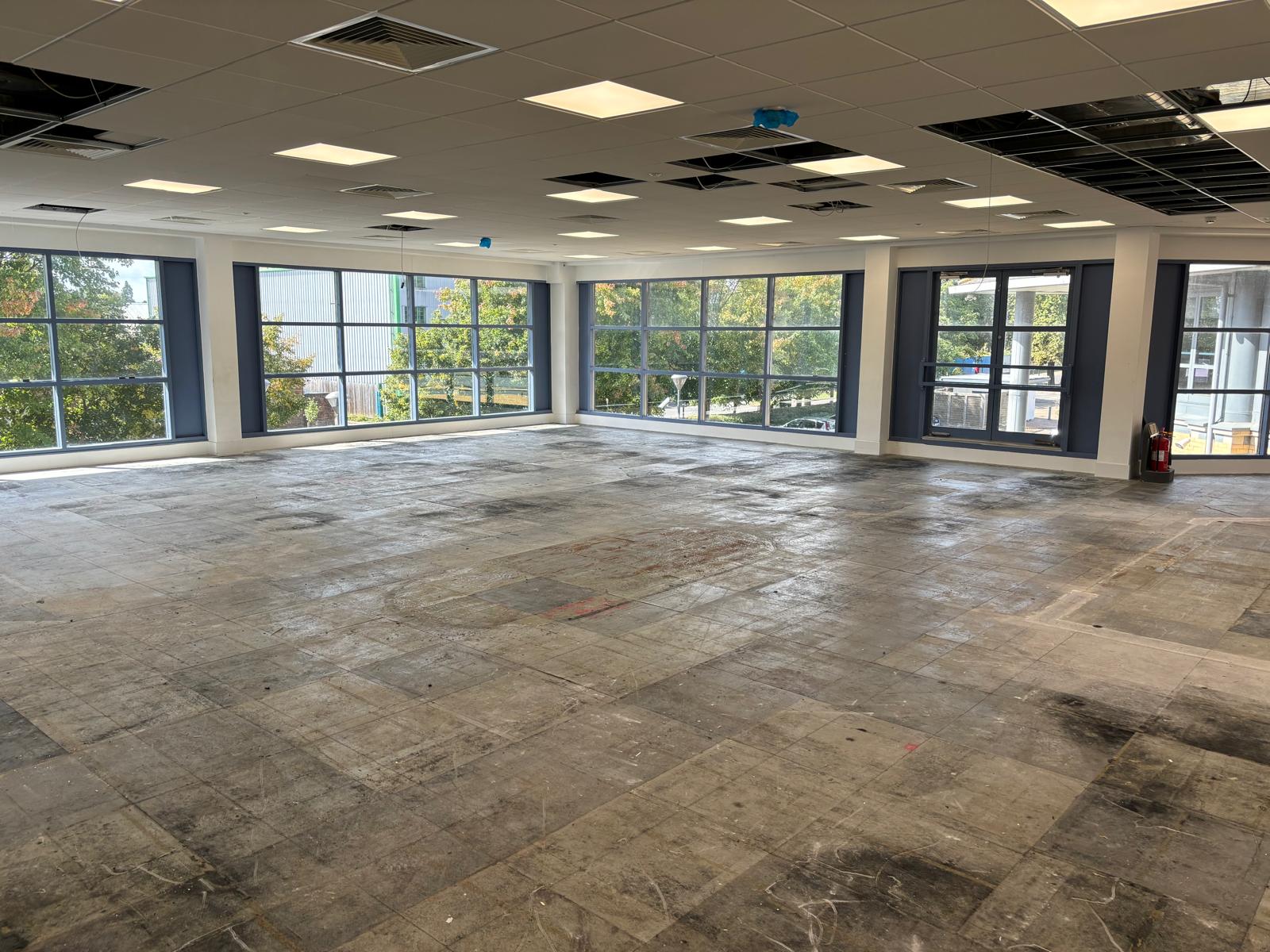
Receiving a Schedule of Dilapidations can feel like a demand with no room to push back. It isn't. Most Schedules — especially those served without prior engagement from the tenant — are inflated. Knowing how to challenge one properly can reduce the claim significantly.
This post covers what a Schedule actually is, where the money usually is, and how to respond effectively.
What a Schedule of Dilapidations Is
A Schedule of Dilapidations is a formal document served by a landlord listing every alleged breach of the tenant's lease obligations. Each item describes what's wrong and attaches a cost to fixing it.
Schedules are usually prepared by a chartered building surveyor acting for the landlord. Their job is to identify every item they can legitimately claim for. They're not neutral — they represent the landlord's position.
That's the first thing to understand. A Schedule is a opening position, not a final bill.
Types of Schedule
Interim Schedule — served during the lease, requiring the tenant to carry out works before expiry. Less common, but it does happen on long leases where the property has deteriorated significantly.
Terminal Schedule — served in the run-up to lease expiry or shortly after handover. This is the most common type.
Final Schedule — served after handover, with the landlord's actual costs of carrying out works they've completed. Harder to challenge because there's real expenditure behind it.
Getting a Terminal Schedule before handover gives you the best position — you can still do the works yourself rather than paying the landlord's costs.
Step 1: Don't Ignore It
This sounds obvious. But a significant number of tenants either ignore Schedules entirely or sit on them too long.
Ignoring it doesn't make it go away. It removes your ability to respond, negotiate, or use the legal protections available to you. The landlord's position strengthens the longer you stay silent.
Acknowledge receipt. Get advice. Start building your response.
Step 2: Read the Lease
Before you challenge anything, you need to know what you actually agreed to.
The Schedule will reference lease obligations. Go back to the lease itself and check:
- What the repairing covenant actually says — full repairing, or something more limited?
- What the decoration obligations are — frequency, standard, timing?
- What the reinstatement obligations say about alterations — is there a Licence for Alterations that changes anything?
- Whether fair wear and tear is excluded — it usually is, but the wording matters
- Whether there's a Schedule of Condition attached
Landlord surveyors occasionally include items the lease doesn't actually require. You can't spot that without reading the document.
Step 3: Get Your Own Surveyor
This is non-negotiable on any claim of substance.
A chartered building surveyor acting for you will:
- Walk the property and assess each item independently
- Identify what's legitimate, what's inflated, and what has no basis
- Prepare a Counter Schedule — a formal response to each item
- Negotiate directly with the landlord's surveyor
- Advise on Section 18(1) and diminution in value where relevant
The cost of a surveyor is almost always recovered many times over in reductions to the claim. On a £100,000 Schedule, it's not unusual for a competent tenant's surveyor to bring the settlement figure down to £50,000–£60,000 — sometimes lower.
Don't try to negotiate a Schedule yourself without professional support. You don't know what you don't know, and the landlord's surveyor does.
Step 4: Understand Where Schedules Are Typically Inflated
Once you know what to look for, the patterns are fairly consistent.
Specification is too high
The landlord's surveyor prices works to a higher standard than the lease requires. New carpet throughout when a clean and patch was all that was needed. Full redecoration when only certain areas were in poor condition. Brand new M&E when servicing was the obligation.
Items that are fair wear and tear
Normal deterioration from everyday use isn't the tenant's liability if the lease excludes fair wear and tear — and most do. Gradual fading, minor surface wear, small scuffs on walls — these should be challenged.
Betterment
If the landlord's proposed works would leave the property in better condition than it was at the start of the lease, the tenant isn't liable for the improvement element. This is called betterment and it's regularly included in Schedules without being flagged.
Items covered by the Schedule of Condition
If you had a Schedule of Condition at lease start, any item that was already present in that condition at the beginning isn't your liability. Landlord surveyors sometimes include items that pre-date the tenant's occupation. Check every item against the Schedule of Condition photographs.
Superseded works
If the landlord has already carried out — or is planning — works that would have made certain reinstatement pointless, those items may not be recoverable. For example, if the landlord is fitting out the space for a new tenant and would have stripped the carpets anyway, charging you for new carpet is hard to justify.
Duplicate items
On longer Schedules, items sometimes appear twice in slightly different forms. It happens. Check for it.
Step 5: Section 18(1) — The Cap on Damages
Section 18(1) of the Landlord and Tenant Act 1927 is the most important statutory protection available to tenants in a dilapidations dispute.
It limits what a landlord can recover to the lower of:
- The cost of carrying out the works, or
- The reduction in the market value of the property caused by the disrepair
In practice, this matters most in two situations:
The landlord is redeveloping or substantially altering the property. If the works would have been demolished or significantly changed regardless, requiring the tenant to reinstate them first serves no commercial purpose. The diminution in value in this scenario may be zero or close to it.
The cost of works significantly exceeds the property's value reduction. On older or lower-value properties, this gap can be large. A Schedule pricing £150,000 of works on a property whose value barely moves with or without them is a Section 18 argument waiting to happen.
Section 18 requires a surveyor to prepare a diminution in value report. It's specialist work. But on large claims, it's one of the most powerful tools available to a tenant.
Step 6: The Counter Schedule
Your surveyor prepares a Counter Schedule — a formal, item-by-item response to the landlord's Schedule.
For each item it will either:
- Agree — you accept liability and the pricing
- Agree liability, dispute quantum — you accept the obligation but not the cost claimed
- Dispute liability — you argue the item isn't your responsibility under the lease
- Dispute entirely — the item has no basis in the lease or the facts
The Counter Schedule is sent to the landlord's surveyor. From there, the two surveyors negotiate directly — most disputes settle at this stage without going to court.
Step 7: Doing the Works vs. Paying a Settlement
Even after challenge and negotiation, you have a choice: do the works yourself or pay a cash settlement.
Doing the works gives you control over scope, specification, and cost. If there's time before handover — or if the landlord agrees to a programme after — it's usually cheaper than a cash payment because you're not paying the landlord's contractor rates and professional fees on top.
Cash settlement is cleaner and faster. You pay an agreed figure, sign a deed of release, and the liability is extinguished. The landlord uses the money however they want. This is the most common outcome for Terminal Schedule disputes.
The right choice depends on timing, the size of the claim, and what the landlord is planning to do with the space.
What If It Goes to Court?
Most dilapidations disputes settle. The process — Schedule, Counter Schedule, negotiation — works in the majority of cases because both sides have an interest in resolving it without legal costs.
If it does go to court, the Pre-Action Protocol for Claims for Damages in Relation to the Physical State of Commercial Property (known as the Dilapidations Protocol) governs the process. Both parties are expected to have followed it. Courts look unfavourably on parties who haven't engaged properly — which includes tenants who ignored the Schedule.
If you've engaged a surveyor, responded with a Counter Schedule, and negotiated in good faith, you're in the strongest possible position if it does escalate.
Key Timelines to Know
- Landlord has 56 days after handover to serve a Schedule under the Dilapidations Protocol (this isn't a hard legal deadline but non-compliance affects the court's view)
- Tenant should respond within a reasonable period — typically 56 days is expected for the Counter Schedule
- Limitation period — landlord has six years to bring a claim after lease expiry (twelve years if the lease was a deed)
Don't assume delay benefits you. It doesn't.