Office Dilapidations Explained: A Complete Guide for Commercial Tenants and Landlords
September 21, 2026
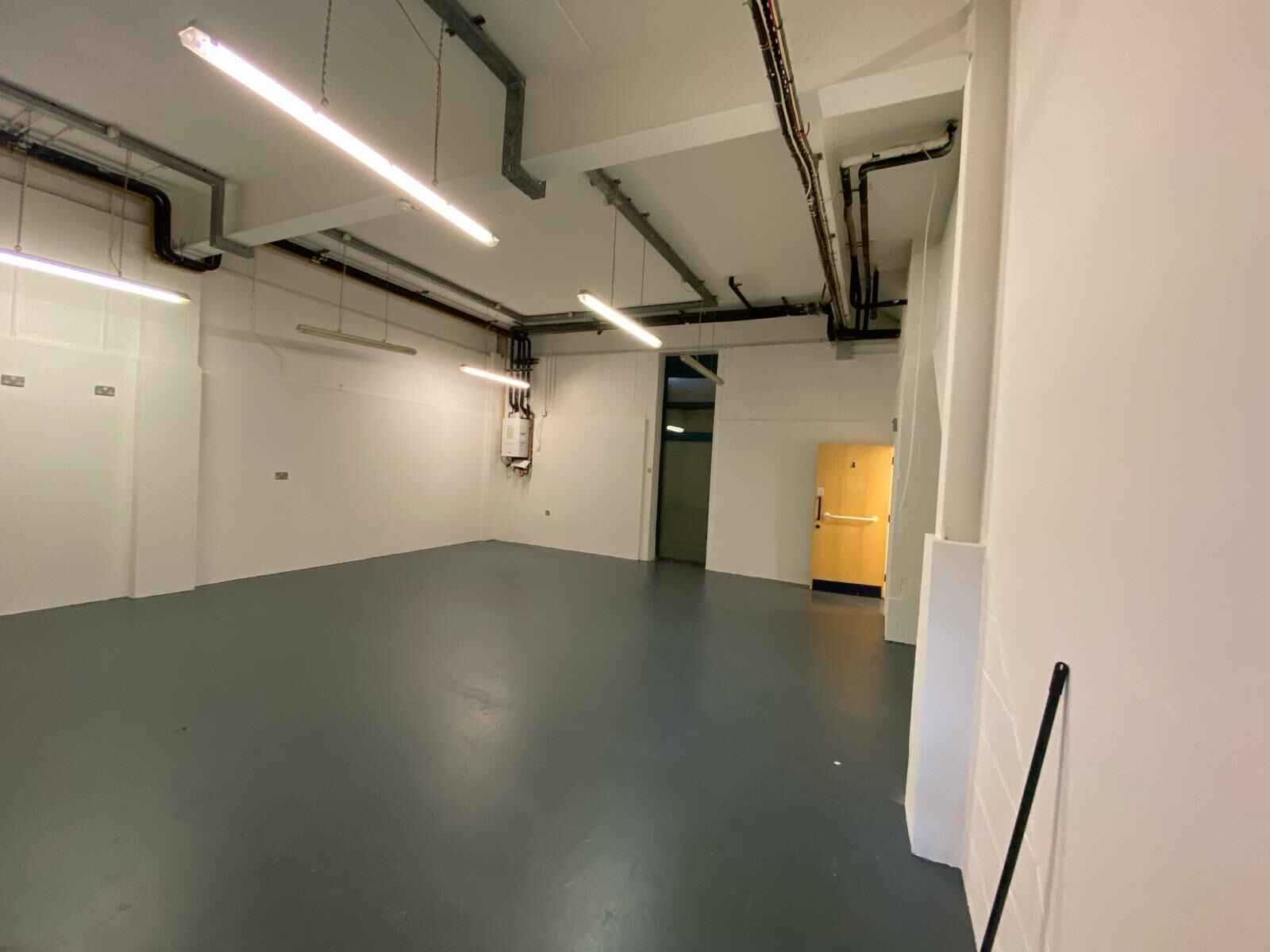
Modern office spaces rarely look the same at the end of a lease as they did on the day the tenant moved in. Over the years, businesses install meeting rooms, glass partitions, kitchens, upgraded lighting, data cabling, branding, flooring and bespoke office layouts to suit their operations.
When the lease comes to an end, many of these changes become the tenant's responsibility.
This process is known as office dilapidations.
For many businesses, dilapidations can be one of the largest unexpected costs associated with relocating offices. However, with the right planning and professional advice, the process can be managed efficiently while reducing unnecessary expenditure.
This guide explains what office dilapidations involve, the works commonly required, how the process works and how tenants can prepare well before lease expiry.
What Are Office Dilapidations?
Office dilapidations are the repairs, reinstatement works and decorative improvements that may be required when a commercial office lease comes to an end.
The purpose is to return the property to the condition required under the lease agreement, allowing the landlord to re-let or refurbish the premises.
Typical obligations include:
-
Repairing damaged walls
-
Repainting internal areas
-
Replacing worn flooring
-
Removing tenant alterations
-
Repairing suspended ceilings
-
Restoring mechanical and electrical installations
-
Making good around removed partitions
-
Cleaning the property
-
Removing all tenant furniture and waste
Every lease is different, so the exact requirements depend on the wording of the lease and any licences for alterations agreed during the tenancy.
Why Do Office Dilapidations Matter?
Commercial office space represents a significant investment for landlords. When a tenant vacates, the landlord expects the premises to be returned in a condition that reflects the lease obligations.
If required works are not completed, the landlord may seek compensation through a Schedule of Dilapidations or negotiate a financial settlement.
For tenants, carrying out appropriate reinstatement works before handing the property back can often be more cost-effective than leaving everything to the end.
What Does an Office Dilapidation Project Typically Include?
Although every office is different, most projects include a combination of the following.
Internal Redecoration
Redecoration is one of the most common lease obligations.
Typical works include:
-
Painting walls
-
Ceilings
-
Doors
-
Frames
-
Skirting boards
-
Timber finishes
-
Touching up damaged areas
In many leases, decoration is required in colours similar to the original landlord specification.
Partition Removal
Many offices are reconfigured during occupation.
Examples include:
-
Glass meeting rooms
-
Stud partition walls
-
Acoustic partitions
-
Executive offices
-
Breakout areas
Removing these partitions usually requires:
-
Safe demolition
-
Electrical disconnection
-
Ceiling repairs
-
Floor making good
-
Decoration
Suspended Ceiling Repairs
Office ceilings often require attention following alterations.
Typical works include:
-
Replacing damaged tiles
-
Repairing ceiling grids
-
Filling service penetrations
-
Matching existing ceiling finishes
-
Reinstating original lighting layouts
Flooring Replacement
Commercial offices commonly contain:
-
Carpet tiles
-
Vinyl flooring
-
Raised access flooring
-
Stone finishes
-
Timber flooring
If damaged or heavily worn, replacement may be required to satisfy the lease.
Mechanical and Electrical Reinstatement
Office buildings contain complex services that often change throughout the tenancy.
Typical works include:
-
Removing additional power supplies
-
Replacing lighting
-
Emergency lighting testing
-
Fire alarm alterations
-
Air conditioning servicing
-
Ventilation reinstatement
-
Data cabling removal
-
Building Management System adjustments
Joinery Repairs
These often include:
-
Reception counters
-
Internal doors
-
Kitchen units
-
Tea points
-
Built-in storage
-
Timber repairs
Deep Cleaning
Before handover, offices are normally professionally cleaned.
Typical services include:
-
Carpet cleaning
-
Internal glazing
-
Kitchens
-
Washrooms
-
High-level dust removal
-
Window cleaning
-
Waste clearance
The Office Dilapidation Process
A successful project is usually completed in stages.
Stage 1 – Review the Lease
The lease defines the tenant's obligations and should be reviewed well before expiry.
Key clauses often include:
-
Repair
-
Decoration
-
Alterations
-
Yielding up
-
Reinstatement
-
Building services
Stage 2 – Property Inspection
A detailed inspection identifies defects and potential liabilities.
This usually includes:
-
Building fabric
-
Floors
-
Ceilings
-
M&E services
-
Decorations
-
Alterations
-
Fire safety
-
Compliance items
Stage 3 – Cost Planning
Following the inspection, a schedule of required works is prepared together with a programme and budget.
Early planning allows businesses to compare quotations and avoid last-minute costs.
Stage 4 – Carry Out the Works
Professional contractors coordinate multiple trades to complete the reinstatement efficiently.
Typical trades include:
-
Decorators
-
Electricians
-
Plumbers
-
Joiners
-
Flooring installers
-
Ceiling specialists
-
HVAC engineers
-
Cleaners
Stage 5 – Final Inspection
The completed works are inspected before the property is formally handed back.
Any outstanding defects can then be addressed before the landlord's inspection.
Common Office Alterations That Require Reinstatement
Many businesses invest heavily in office fit-outs during their lease.
Common examples include:
-
Glass partition systems
-
Meeting rooms
-
Reception desks
-
Feature lighting
-
Kitchen upgrades
-
Data rooms
-
Server cabinets
-
Security systems
-
Branding
-
Acoustic wall panels
-
Bespoke joinery
Depending on the lease, some or all of these installations may need to be removed.
How Long Do Office Dilapidations Take?
The programme depends on the size and complexity of the office.
| Office Size | Typical Duration |
|---|---|
| Small Office | 1–2 weeks |
| Medium Office | 2–4 weeks |
| Large Office | 4–8 weeks |
| Multi-floor Office | 8–16+ weeks |
Early planning helps avoid delays and allows works to be completed before lease expiry.
What Affects the Cost?
The overall cost of office dilapidations depends on several factors, including:
-
Size of the premises
-
Condition of the property
-
Extent of tenant alterations
-
Mechanical and electrical services
-
Building access
-
Working hours
-
Location
-
Lease obligations
Offices in Central London often involve higher labour and logistics costs than similar properties elsewhere in the UK.
Tips for Reducing Office Dilapidation Costs
Businesses can often reduce costs by taking a proactive approach.
Review the lease at least 12 months before expiry.
Arrange a professional inspection early.
Keep maintenance records throughout the tenancy.
Obtain competitive quotations.
Use a contractor experienced in commercial dilapidations.
Complete reinstatement works before the final weeks of the lease.
Maintain open communication with your landlord or their surveyor.
Why Choose a Specialist Office Dilapidation Contractor?
Office reinstatement projects require careful coordination between multiple trades.
A specialist contractor offers:
-
Single point of contact
-
Multi-trade project management
-
Programme planning
-
Health & Safety compliance
-
Quality assurance
-
Minimal disruption
-
Faster completion
-
Consistent workmanship
This approach reduces delays and provides greater certainty over cost and programme.
Frequently Asked Questions
Do all office leases require reinstatement works?
Not always. The extent of the work depends on the lease and any licences for alterations.
Can I leave my office fit-out for the next tenant?
Only if the landlord agrees in writing.
Do I have to repaint the entire office?
Many leases require internal decoration before expiry, but the exact obligation varies.
Can office dilapidations be completed after the lease expires?
Sometimes, but this depends on the agreement between the landlord and tenant. Completing works before lease expiry is generally preferable.
Should I appoint one contractor or several?
Using a single specialist contractor is often more efficient, providing coordinated management of all trades under one programme.
Final Thoughts
Office dilapidations are an essential part of the commercial lease lifecycle. By planning early, understanding your lease obligations and appointing an experienced contractor, tenants can minimise disruption, control costs and return the property in accordance with the lease.
Whether the project involves simple redecoration or a full office reinstatement, early preparation provides greater flexibility, more accurate budgeting and a smoother handover process.
At Dilapidation Contractors, we deliver complete office dilapidation and reinstatement services across the UK. From initial inspections through to final handover, our experienced team manages every stage of the project, helping tenants and landlords achieve a professional, compliant and efficient outcome.