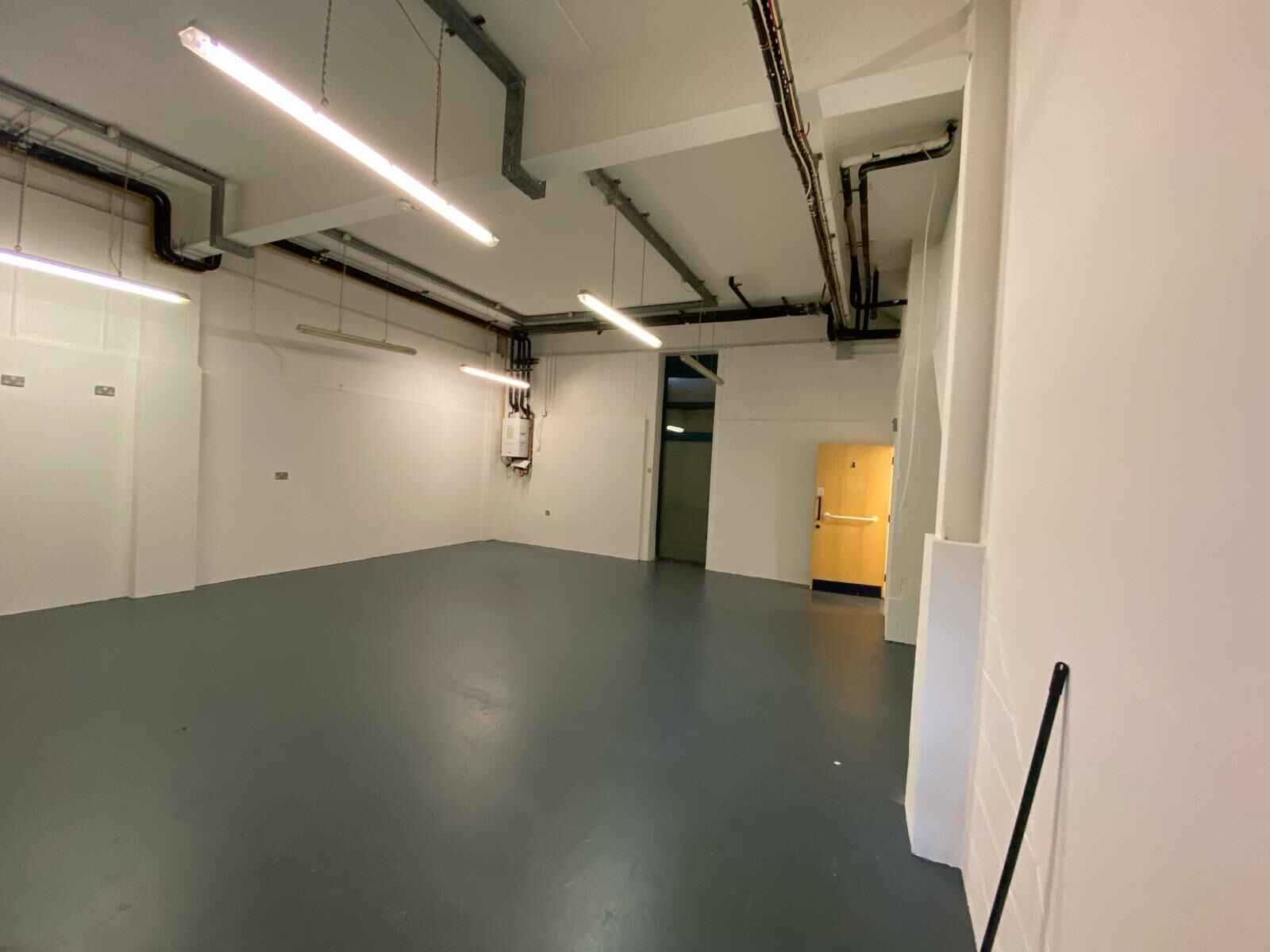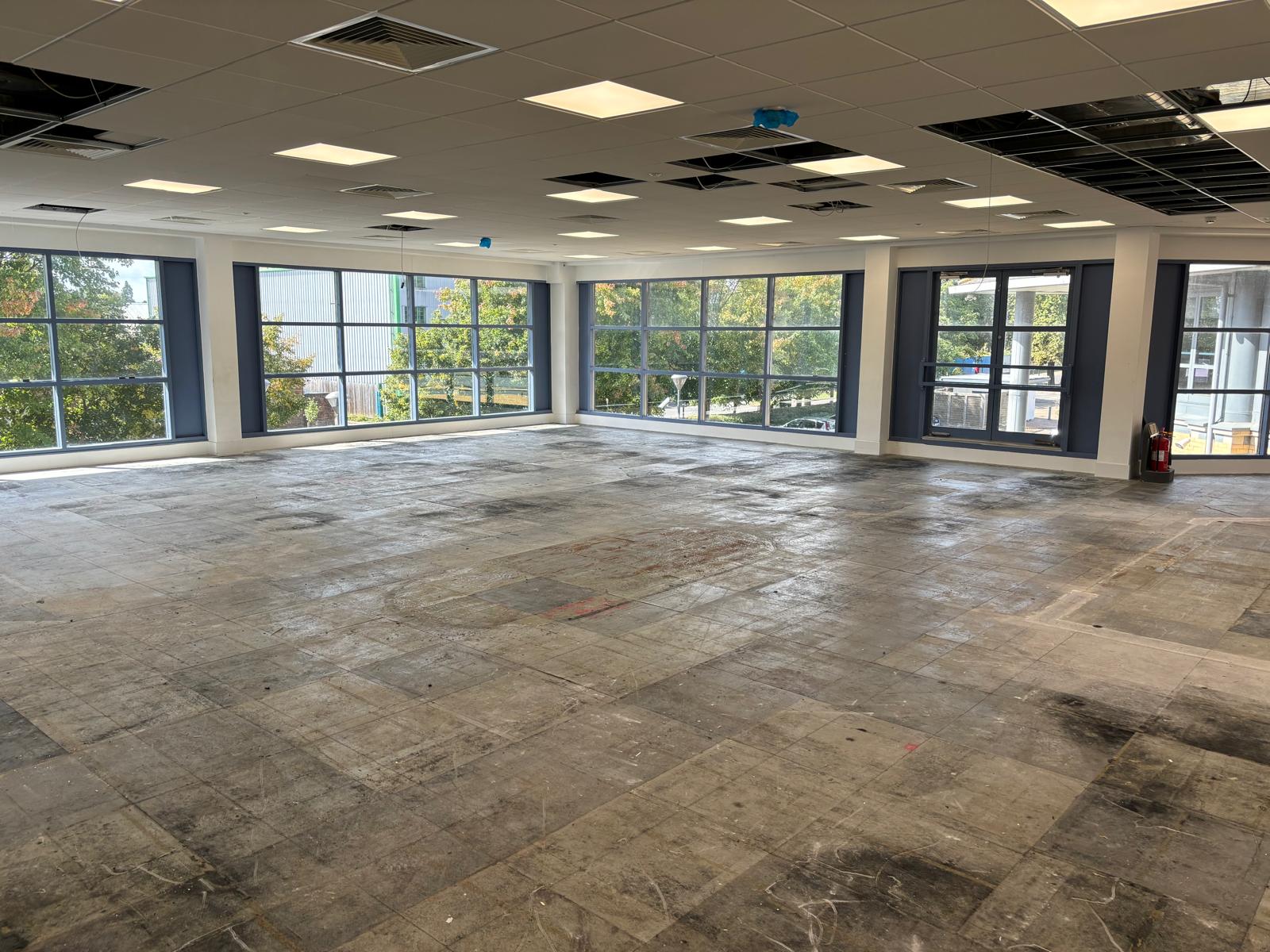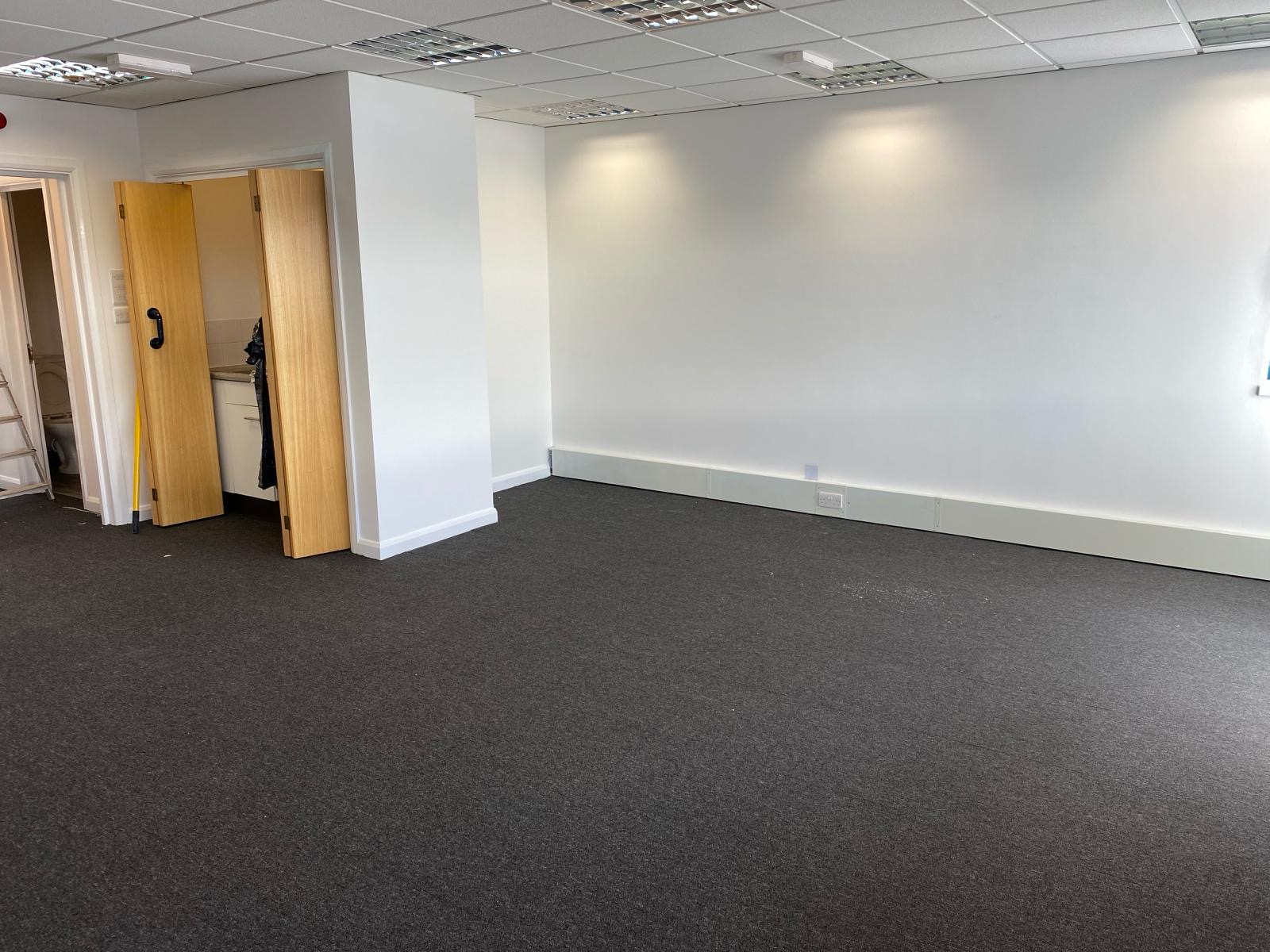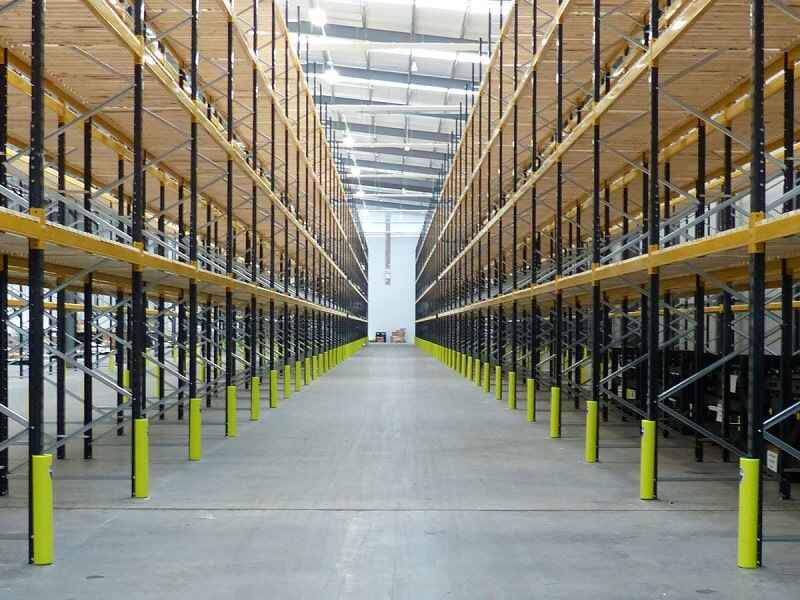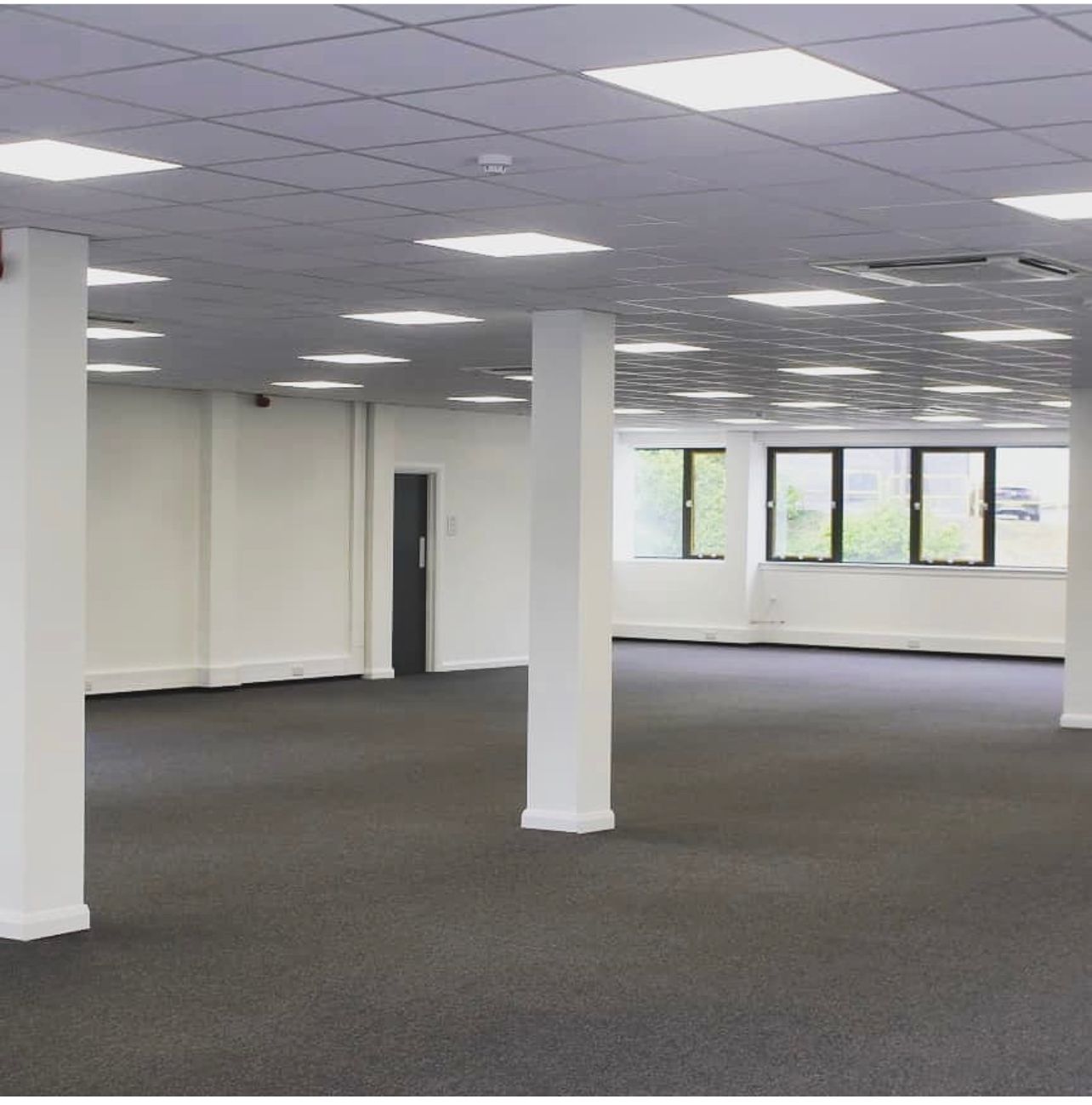
Dilapidation costs, commonly called "dilaps," are the expenses required to bring a leasehold property back to the condition stipulated by the lease. These costs include repairs, cosmetic work, and even necessary structural improvements to restore the property to its original state, depending on the terms of the repair covenant.
If you've made significant or structural changes to the property and are required to reinstate it to its original condition, or if you've taken on a building in poor repair with a high-threshold repair covenant, you will likely face substantial dilapidations costs. This does not necessarily mean the property was left in disrepair; rather, it may simply be in a different condition than at the start of the lease.
Landlords and tenants must align their expectations at the end of a commercial lease to ensure a straightforward dilapidation process.
Landlords in Buckinghamshire should consider their plans for the property well before the lease expires. If the landlord wishes to re-let or sell the property, it would be wise to serve the dilapidations schedule early, allowing the tenant more time to carry out the required work.
However, some landlords may prefer to retain control and carry out the repairs themselves. In this case, the landlord should wait until the end of the lease before issuing the dilapidations schedule. The landlord can then negotiate a financial settlement with the tenant to fund the works.
Regardless of the approach, the landlord should complete the repairs as soon as possible to avoid lost rent. The outgoing tenant can claim any lost rent, but this claim will be reduced if the landlord has unnecessarily delayed the repairs.
If the landlord plans to claim damages against the tenant for failure to repair, the landlord's intended use of the property will be relevant in determining the appropriate claim amount. If the landlord plans to demolish or significantly alter the property, the tenant's failure to repair will have less impact on the landlord's actual damages.
The deduction for repairs cannot exceed the difference in the property's value at the end of the lease, with and without the required repairs. Landlords often try to use a schedule of anticipated repair costs as evidence of the reduced property value. However, the court will consider the landlord's intentions for the property at the end of the lease when determining how much weight to give to this evidence.
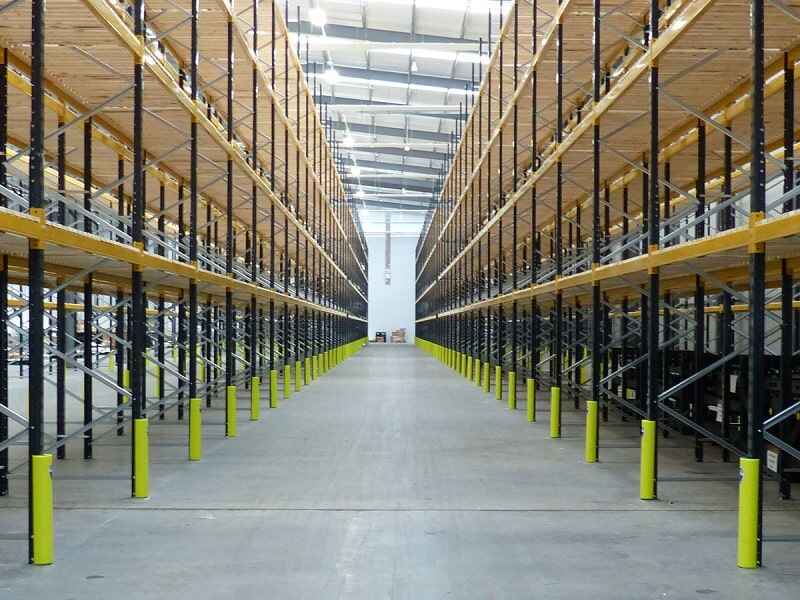
Tenants should proactively seek advice on the property's condition and its impact on its value. They must obtain a professional report as it would be a wise decision. If the property's condition significantly affects its value, the tenant should consider starting repairs early to control the costs better and mitigate the risk of future claims from the landlord. Conversely, if the property's condition has little impact on its value, the tenant can opt to forgo the repairs and use the report as evidence if the landlord attempts to claim damages later on.
Are you a Landlord or Tenant seeking assistance with a schedule of dilapidation-related issues in Buckinghamshire? If you have or are facing dilapidation claims or want some advice, our team would be delighted to help.
Dilapidations Contractors has years of experience and can provide clients across England, Scotland, and the rest of the United Kingdom with a wide range of services regarding a schedule of dilapidations and commercial property matters in general.
Dilapidations is a complex and specialized area. In our experience, all those involved are best served by involving qualified experts with the necessary knowledge, experience, and information regarding commercial property and landlord and tenant legislation.
We would be honored to assist you with your specific needs. Please feel free to contact us; we will do our utmost to provide you with the personalized support and guidance you require.
Would you like to learn more about how we can help you with your next residential or commercial project, fill in your details and a member of our team will be in touch.
Most commercial tenants know dilapidations exist. Far fewer take them seriously until it's too late. This post covers exactly what happens when you do nothing — and why the cost of ignoring it is almost always higher than the cost of dealing with it. ..
Read Full Story »
When your lease ends, most tenants think about the bill before the work. That's understandable. But understanding what the job actually involves — and in what order — helps you plan it properly, avoid last-minute surprises, and choose the right contractor. ..
Read Full Story »
Discover how much commercial dilapidations cost in 2026. Explore office, retail, warehouse and industrial reinstatement costs, factors affecting pricing, and ways to reduce your dilapidation liability. ..
Read Full Story »
It’s easy to overlook the property itself when you’re busy moving staff and equipment at the end of a lease. But this is when costly mistakes happen, and landlords often make expensive dilapidation claims. ..
Read Full Story »